Diversity

A Rhyme That Carried My Heritage Across Generations
“भाषा केवल शब्दों का संग्रह नहीं होती, यह हमारी संस्कृति, हमारी यादों और हमारी पहचान को आगे बढ़ाने का माध्यम होती है।” (Language is not


First-generation immigrants arriving in the country faced some challenging times. They often came with very little in terms of personal possessions, encountered language barriers and adjusted to the unknown in a new country. They searched for jobs, bought new houses and worked long hours – all to set up a new life for themselves and their families.
Due to staff shortages in the newly formed NHS, more than 18,000 doctors and medical staff travelled to England from former British Colonies including India, Pakistan, Bangladesh and Sri Lanka. Some were already qualified, whilst others came over at a younger age and then went onto pursue a career with the NHS.
We spoke with some colleagues to learn about their experiences when they moved across to start their life in a new country.
Dr Nisar-ul-Haque and Dr Uzma Haque speak about his journey from Pakistan in 1974 and life thereafter.
I remember my childhood in Karachi, Pakistan as being very pleasant and everyone was friendly. I really enjoyed spending time with my father and mother as I was an only child. I had many friends and had some fun times growing up.
After qualifying in Medicine, I travelled alone to the UK at the age of 27, as I wanted to see what was different here. After spending some time in Libya, I decided to move to England. The journey wasn’t very difficult, visas were easy to get and at the time, there weren’t exams for doctors who had qualified overseas.
England and the NHS were very welcoming and I was very happy here, but I missed my family. As two of my best friends moved with me, I had company and didn’t feel alone. I made many friends quickly and enjoyed my time when I came here. I was still able to go back home to see my parents, but obviously not as often as I wanted.
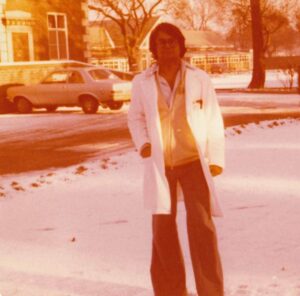
My father was my role model as he was also a Doctor. I used to spend my holidays with him, visiting and working in deprived villages around the inner Sindh districts which I really enjoyed. So from a very young age, I had made up my mind to study Medicine.
Initially I was working in Secondary Care and I enjoyed the friendly and busy work routines. We had time to spend with patients and even had Christmas meals with them in the wards. I have been in General Practice since 2000, which comes with a different kind of pressure, but I still wouldn’t change my career even if I had the chance to start over again.
I was very interested in respiratory disease and had the chance to study Tuberculosis and chest diseases in Wales. After achieving this Diploma, I studied tropical infectious diseases at the London Hospital for Tropical Diseases. Achieving these Diplomas were some of the best moments in my life.
The world’s your oyster. Fully embrace life as it’s too short. Do what you enjoy, no matter what the hardships. The path paves its way as you start walking and I wish everyone all the best.
My father always has a positive outlook on life. I have never seen him upset or feeling down. He faces the issues and gets on with it. He has always encouraged me and if it wasn’t for his insistence, I probably wouldn’t have realised my potential. I love the way he is so proud when he hears what I’m involved with at work.
As a GP partner, I sent several messages to patients about the importance of COVID-19 vaccines and how to book them. I spoke with our Patient Participation Group for their support and proactively rang patients who were hard to reach or felt digitally excluded. I attended several roadshows in town centres and religious sites, as well as made TV appearances and was interviewed on radio programmes. These were mainly focused on the importance of getting vaccine, but also emphasised the importance of personal safety measures. I also recorded several videos for NHS websites and gave health advice and information for local newspapers.
 What has been the highlight of your career?
From a very young age I was determined to become a teacher, but I realised that my passion was helping others when they are unwell. I soon realised that I wanted to study Medicine. In school, I was told that it’s too competitive and I should think about other careers, but I stuck with what I wanted to do. Becoming a GP has been the greatest highlight of my career. To see my whole family in the audience as I received my Certificate of Membership was exquisite.
As a Primary Care Physician, my work is to keep people healthy and this is only possible if we work in partnership with our patients. The NHS has brilliant pathways to keep patients healthy and we should use them as soon as they become available. Examples are NHS health checks, cervical screening, COVID-19 and flu vaccines. As South Asians, we have a higher presence of certain conditions such as high blood pressure and Diabetes. These conditions don’t need to be dangerous if they are treated in a timely manner. If you have any concerns, you should definitely discuss it with a health professional, including doctors, nurses, pharmacists, health care assistants and reception staff. We are all here to help you to stay healthy and to stay safe.
You can find out about the different types of screening, information about vaccinations and other useful health advice on nhs.uk
“भाषा केवल शब्दों का संग्रह नहीं होती, यह हमारी संस्कृति, हमारी यादों और हमारी पहचान को आगे बढ़ाने का माध्यम होती है।” (Language is not


My Vitiligo Journey: From Silence to Empowerment This year marked my 17th World Vitiligo Day, which took place on 25th June 2026. It was a

First-generation immigrants arriving in the country faced some challenging times. They often came with very little in terms of personal possessions, encountered language barriers and

Although the migration of South Asians to the UK goes back many centuries, numbers grew significantly during the 50s, 60s and 70s. Many travelled here
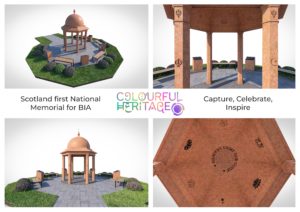

Artists impression of Scotland’s First BIA Memorial Colourful Heritage, a charity based in Scotland were granted planning permission by Glasgow City Council in December 2022
When I heard this year’s South Asian Heritage Month theme is Unity in Diversity, my first thought was of the power of trust, relationships, and