Scotland’s First National British Indian Army (BIA) Memorial
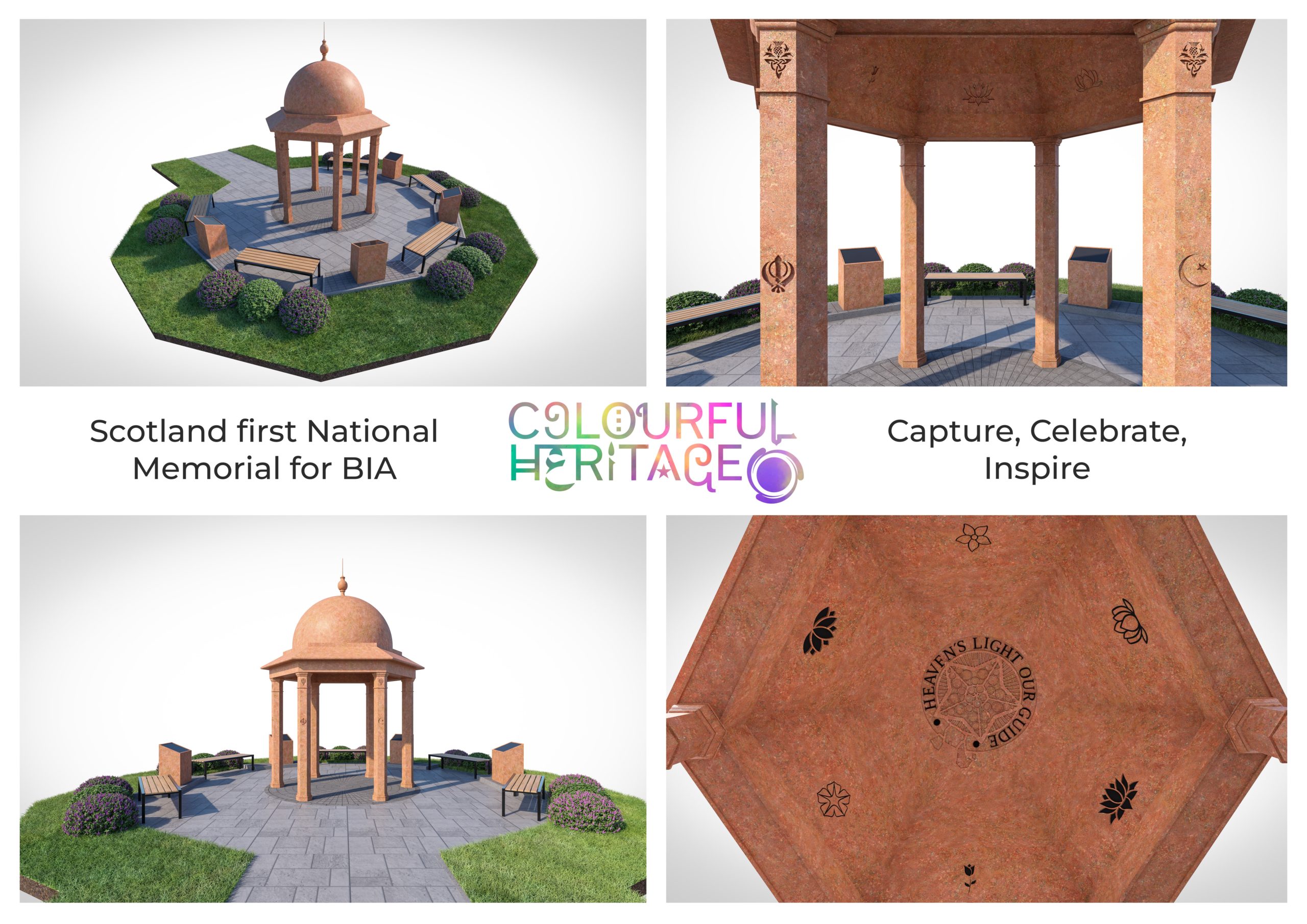
Artists impression of Scotland’s First BIA Memorial Colourful Heritage, a charity based in Scotland were granted planning permission by Glasgow

Artists impression of Scotland’s First BIA Memorial Colourful Heritage, a charity based in Scotland were granted planning permission by Glasgow

The Lascars – thousands of seafarers from the Indian subcontinent, Southeast Asia, the Arab world and Africa.
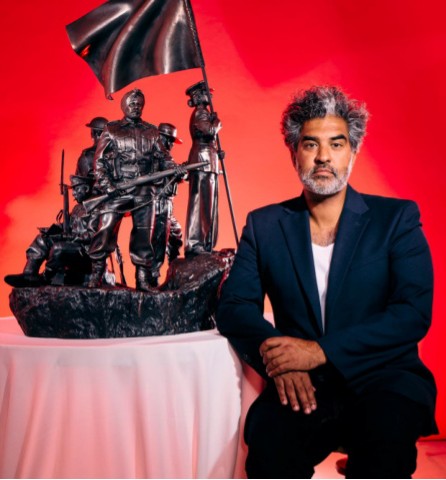
This year’s South Asian Heritage Month theme is powerfully reflected in the service of 2.5 million Indian soldiers who volunteered for the British Indian Army during the Second World War. As the largest volunteer force in history, they came from many faiths and ethnic backgrounds across the Indian subcontinent.
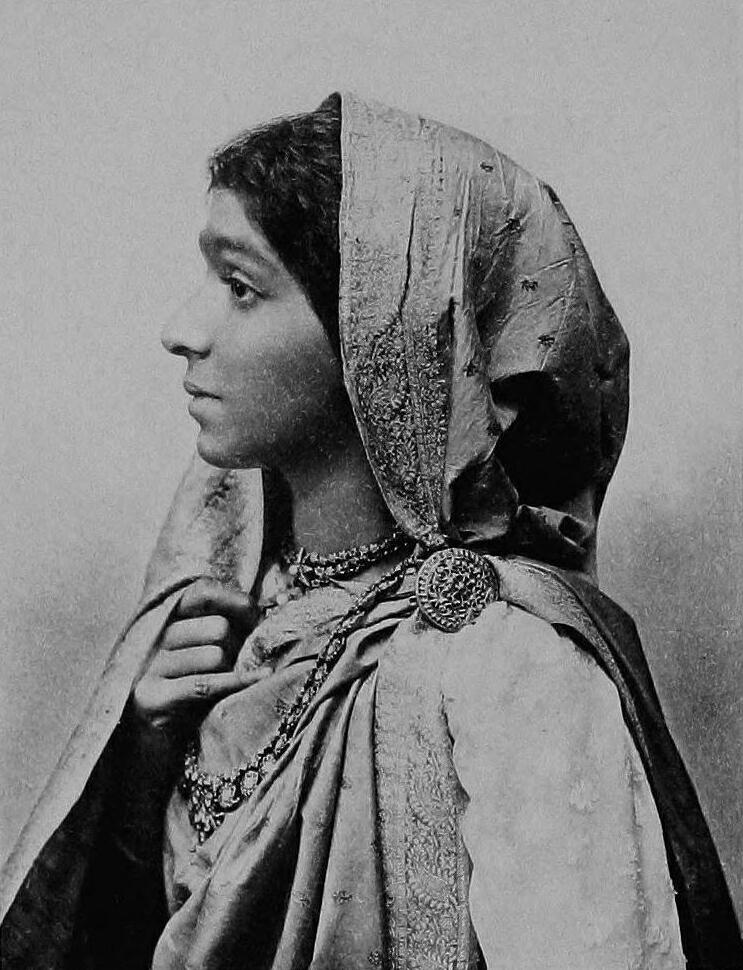
Sarojini Naidu was an early 20th century poet and prominent leader in India’s struggle for independence, as well as an advocate for social justice and women’s rights.