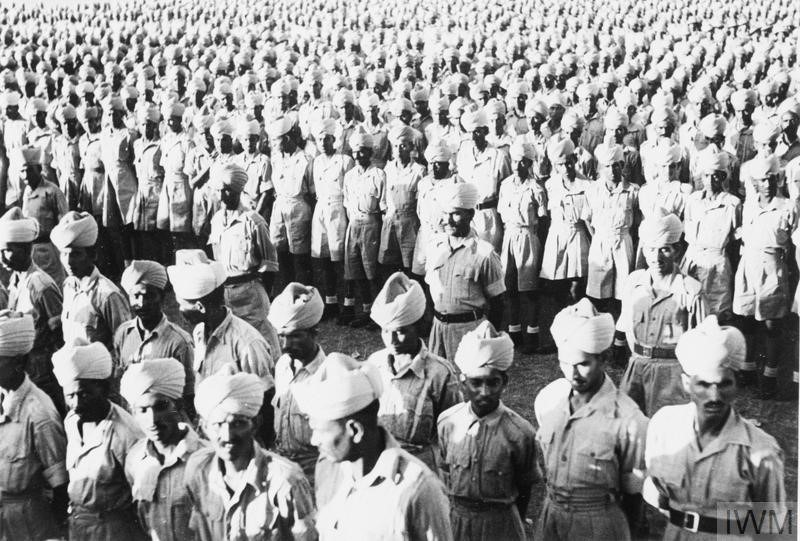
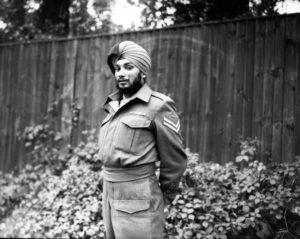
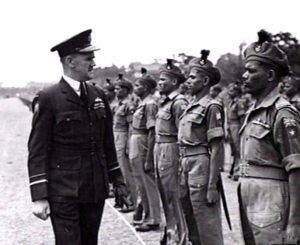
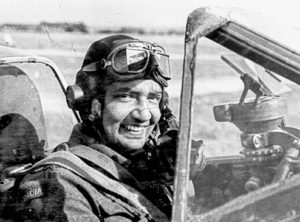
The war saw a massive and crucial involvement by those from South Asia. Millions of soldiers, sailors and aircrew played their part, in battlegrounds in North Africa and Europe, in Africa, and in India, Burma (Myanmar) and Pacific islands.
An astonishing 2.5 million men and women from South Asia joined the Allied cause. As well as brave front-line troops a multitude of people toiled behind the scenes to secure supply lines and to support the Allied war effort. There were non-combatants like cooks and mechanics, washermen and boot-makers, in coal mines and forestry.
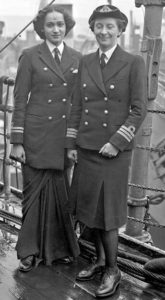
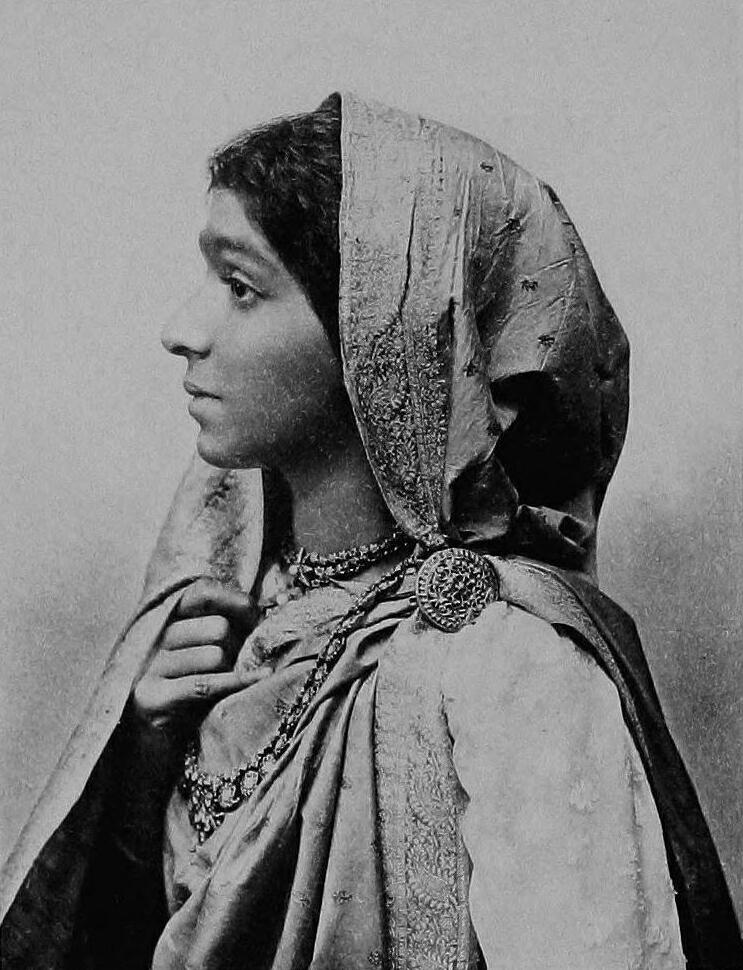
Thousands of women from South Asia joined the ranks of the Armed Forces, services providing logistical and medical support, such as the thousands in the Women’s Auxiliary Corps. More on Sylvia Manasseh here and on Begum Pasha Shah.
As well as men and women, South Asia provided massive levels of resources for the war effort. Timber, textiles, leather and most of India’s steel and cement production were diverted to the defence of the British Empire. The Indian and British Merchant Fleets carried goods and personnel around the world, at great risk. The lascars made up a large number of the crews of these vessels, and hundreds of their lives were lost to enemy action. More on the Lascars here
South Asia was transformed dramatically during the war years, as pre-partition India became a vast garrison and supply-ground for the war against the Japanese in South-East Asia. While the independence movement was gaining popular support, many nationalists were conflicted in serving but decided to join the struggle. More on Captain Yavar Abbas here
While the war in Europe ended in May with the surrender of Nazi Germany, a brutal struggle against Imperial Japanese forces in the east continued. It was here that the South Asian contribution was vital. The main Allied fighting force in the east was the 14th Army, which in 1945 was focussed on recapturing Burma from Japanese forces. The 14th Army was astonishing in that some 85% of its force was composed of troops from pre-partition India (Pakistan, India, Bangladesh), plus Gurkhas, British, Burmese and units from West and East African Divisions. It was a true ‘world army’. An extraordinary 22 of the 34 Victoria Crosses won in the Burma Campaign were won by soldiers of South Asian origin. More on Gian Singh here
Burma was finally recaptured from Japanese forces, and further brutal warfare saw the Allies gradually take control of occupied lands and the Japanese home islands. Following the use of atomic bombs on the Japanese cities of Hiroshima and Nagasaki, and Russia’s entry into the war against Japan, the conflict came to a sudden close. Emperor Hirohito announced the unconditional surrender of Japanese forces on 15th August 1945 – named VJ Day (Victory over Japan Day). Tens of thousands of Commonwealth prisoners of war, who had been held in appalling conditions and many put to work as forced labour, could finally be liberated and repatriated.
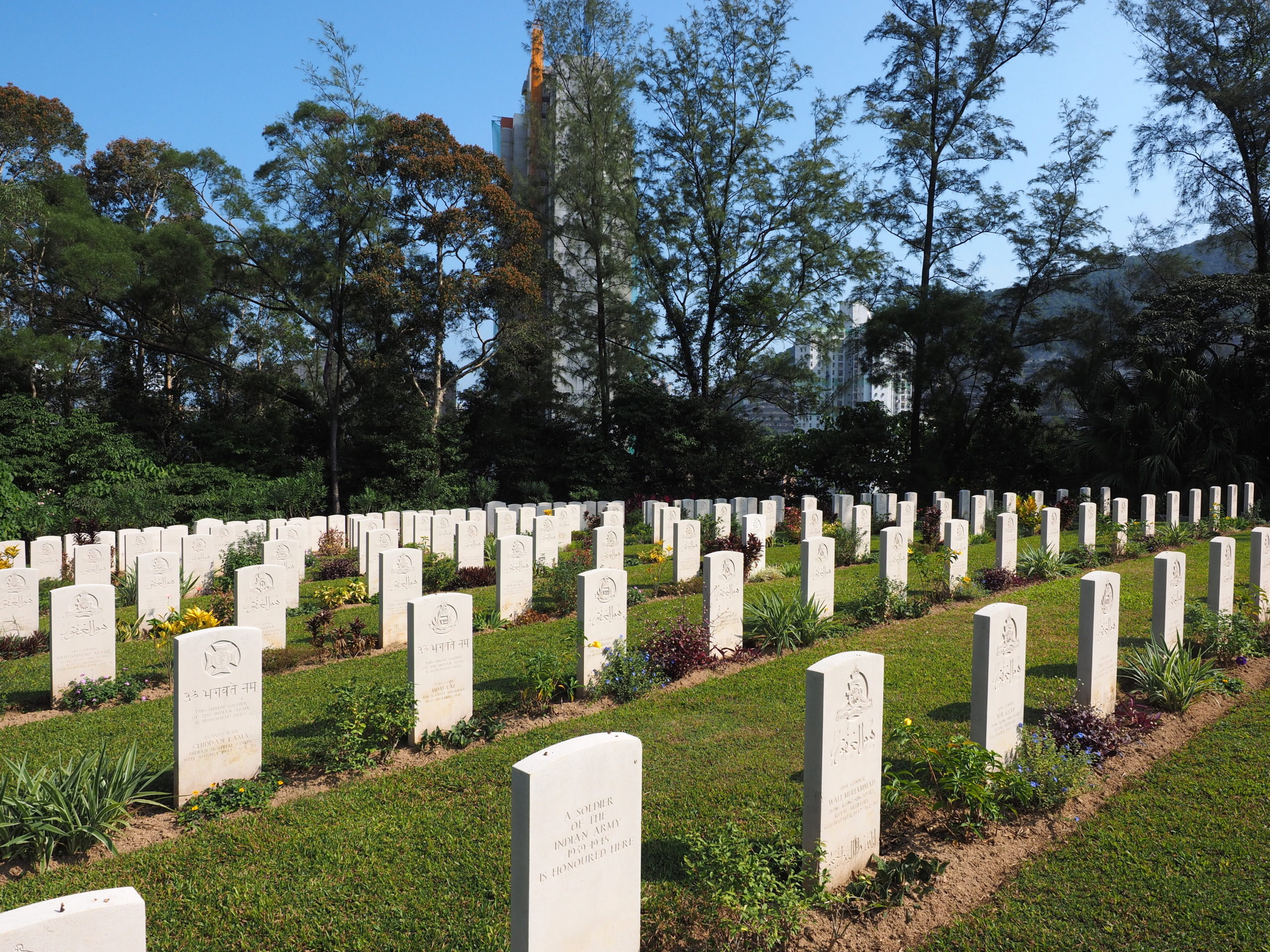
For Britain and the Commonwealth, VJ Day brought mixed emotions. There was huge relief that the war was finally over, and celebrations took place around the Allied world, but this was coupled with a solemn recognition of the immense sacrifices that had been made. Some 87,000 personnel from South Asia were killed in the conflict and tens of thousands wounded.
The political settlement that brought independence to India, and partition, was formed out of the circumstances created by the Second World War. Servicemen who migrated to the UK found their wartime service could secure status and sometimes employment. New personal and national stories began in the creation of modern Britain.