 South Asian Heritage Month dates changed to "July" from 2026 — Learn more here →
UNBREAKABLE: A True Story of Defiance and Survival
UNBREAKABLE Book One WRONG PLACE, WRONG TIME… A TRUE ACCOUNT OF A YOUNG INDIAN BOY LIVING IN AN ERA OF RACIAL HATRED Jag Singh www.jagsingh.uk


The exhibition ‘Unsung Heroes of World War I’ featured historical artifacts, photos and news clippings on the Asian (Indian, Nepalese Bangladeshi – the Indian subcontinent, along with Singapore, Malaysia, Indonesian soldiers in WW1, as well as other moments in South Asian history.
The event was meticulously curated by a content curator (Shakira) and an image curator, respectively. (Cassandra)
Image: Before the exhibition- room of historical photos on boards and the wall.
including the homemade signaling stations at Dehra Bridge. These displays illustrated the collaboration between Indian and Nepalese soldiers and their British counterparts as they responded to telephone calls, conveyed vital messages, and even tended to carrier pigeons or maintained the Morse code apparatus when necessary. The exhibit showcased Indian soldiers within a makeshift tent, with a painted sign proclaiming ‘Signaling Store’ at Dehra Bridge, 1915.
Or the Indian and Scottish soldiers – the Highlanders and the Dogra. The Highlanders hailed from Scotland, while the Dogra originated from the regions of Kashmir, Jammu, and Pakistan.
They collaborated, akin to other soldiers stationed in The Lucknow in Wiltshire.
The Dome in Pavilion Hospital in Brighton was established to cater to the needs of wounded Indian soldiers, specifically focusing on their healing and rehabilitation as amputees. With a capacity of 689 beds, it aimed to provide adequate medical care and support, ensuring that the soldiers felt a sense of protection similar to that of a trench on the Franco-Belgian border. To enhance their sense of security, they constructed their own trench and erected barbed wire around the facility for additional safety.
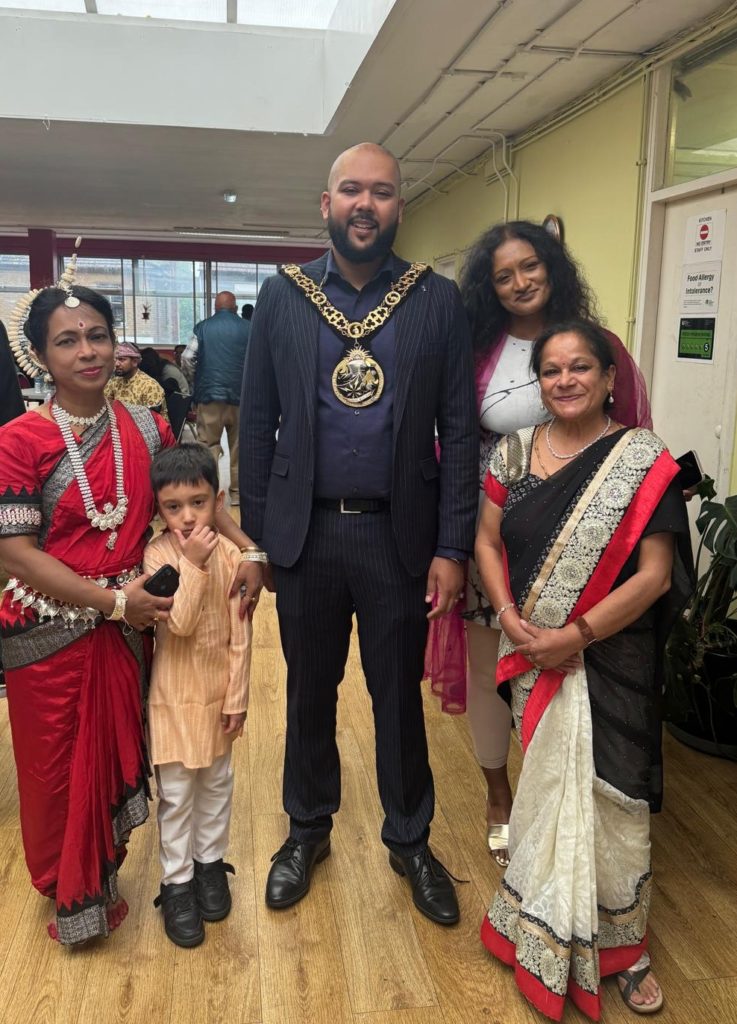
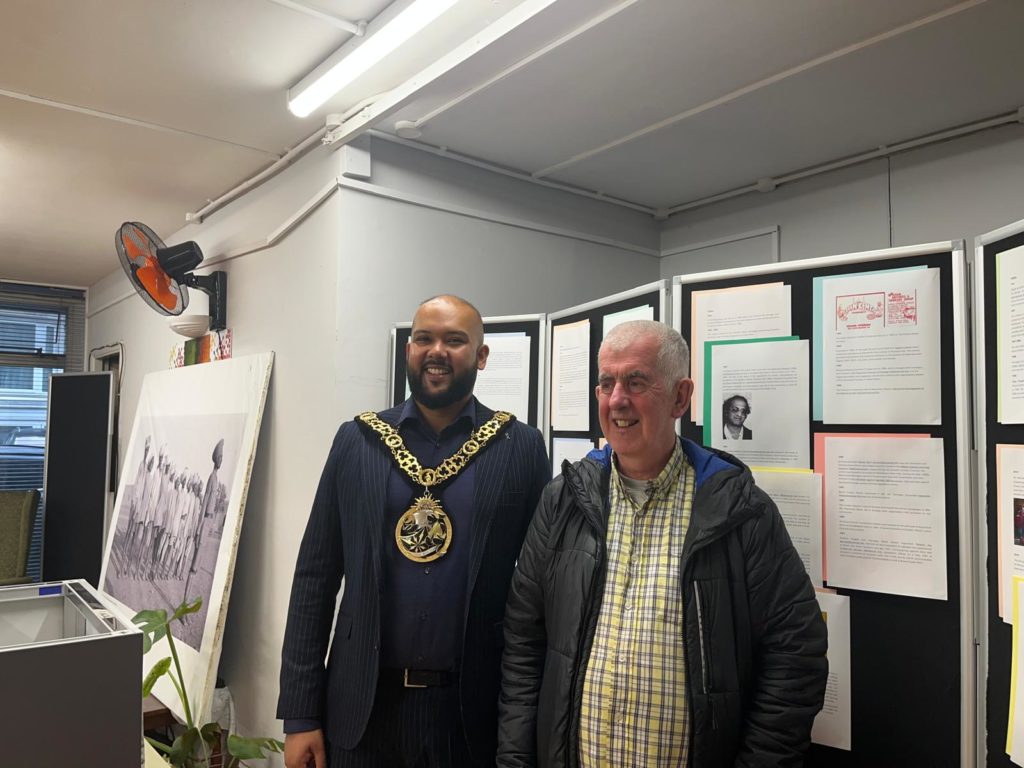
All the volunteers were invited by administrator Cassandra Marshall to meet Mayor Ahmed Mahbub.
Ahmed is the third South Asian Mayor to hold the office in Haringey, of Bangladeshi heritage. However, he was also nice and down-to-earth. He emphasized the significance of educating young people from diverse backgrounds about political engagement, and the ways in which they can actively participate in their communities.
There was an enchanting array of music, notably the vibrant rhythms of Indian Bhangra. One woman, adorned in a striking red dress and a seashell necklace, performed a traditional spiritual dance known as Odissi.
Another older woman danced in a freestyle, with elements of classical Indian movements, yet in a flavour all her own.
At the outset, there was a captivating fusion of Bhangra and electric music, which I thoroughly enjoyed dancing to in a line dance behind my steelpan instructor!
He hails from the Caribbean and mentioned that he previously led a steelpan ensemble during the formative days of the original Asian Centre. There exists a quintessential Hindi song that has also been reimagined in a soca chutney rendition, exemplifying the profound influence of cultural intermingling.
Everyone seemed to harbor a profound admiration for the rich tapestry of cultures represented within the building, and hope that this would continue after the event and years to come.
The exhibition ‘Unsung South Asian Heroes’ will be on display until Friday, September 5th, at the Community Hub, situated on the first floor.
-South Asian History of Haringey
To find out more about the Community Hub in Wood Green- visit our website!
UNBREAKABLE Book One WRONG PLACE, WRONG TIME… A TRUE ACCOUNT OF A YOUNG INDIAN BOY LIVING IN AN ERA OF RACIAL HATRED Jag Singh www.jagsingh.uk
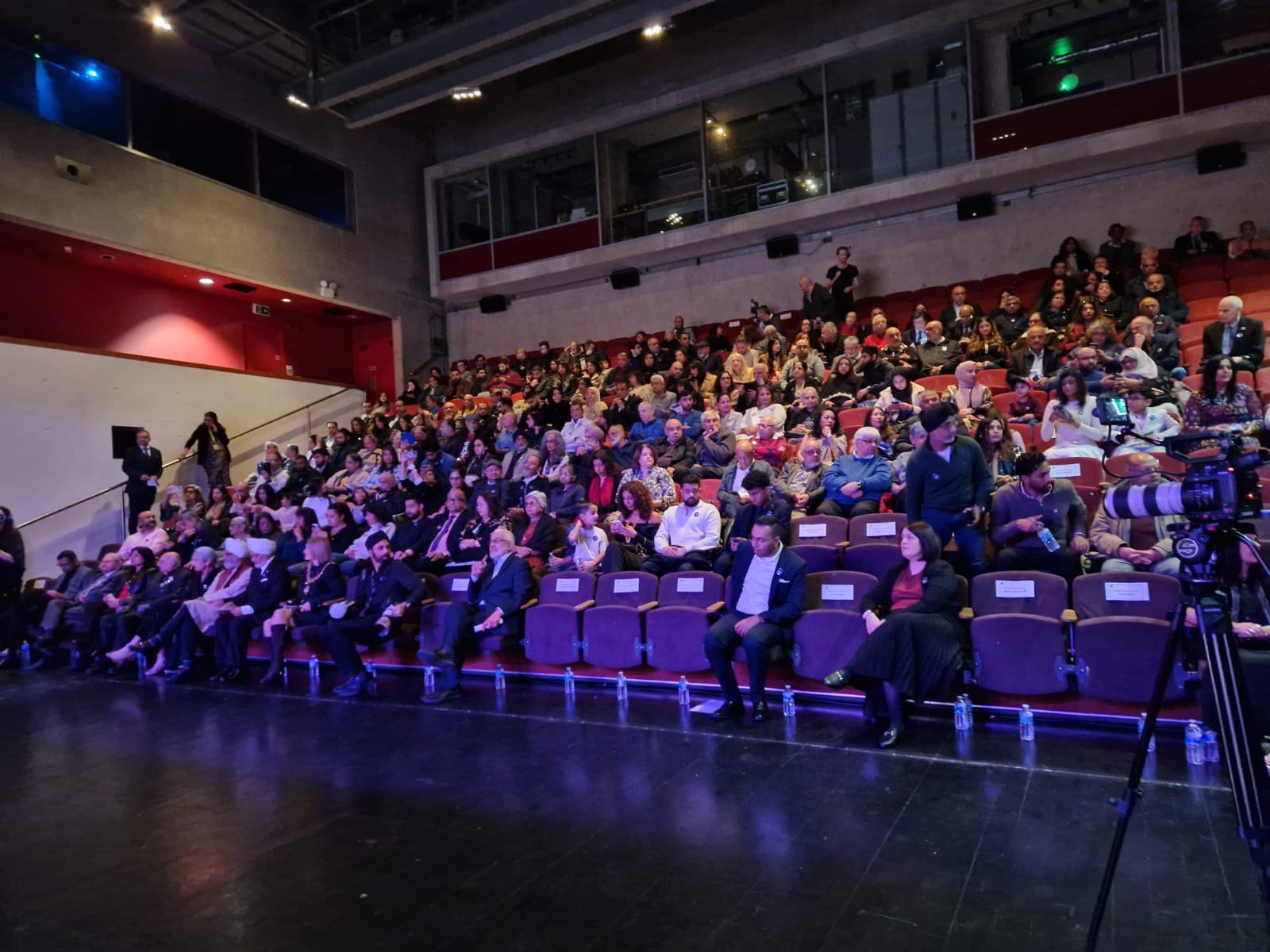
In the heart of the largest community of Indians living outside of India, 312 people at The Peepul Centre, Leicester, and over 1,000 streaming live
A short documentary to tell the stories of two families from Punjab whose family laid roots in the 1950s. The aim of the film is