 South Asian Heritage Month dates changed to "July" from 2026 — Learn more here →
UNBREAKABLE: A True Story of Defiance and Survival
UNBREAKABLE Book One WRONG PLACE, WRONG TIME… A TRUE ACCOUNT OF A YOUNG INDIAN BOY LIVING IN AN ERA OF RACIAL HATRED Jag Singh www.jagsingh.uk

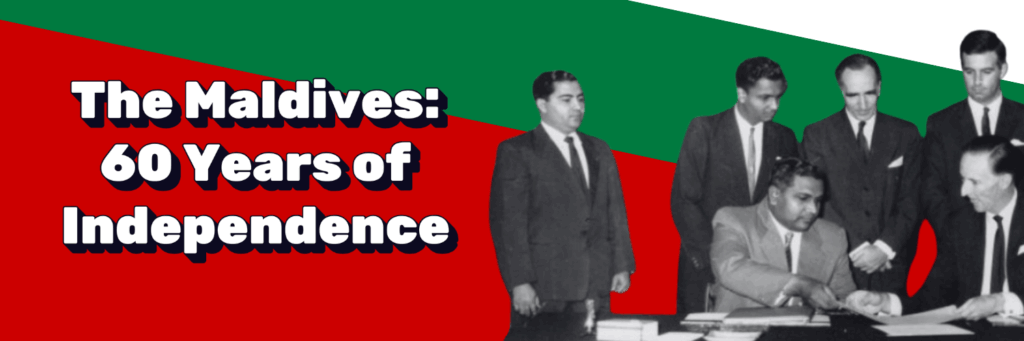
By Sophia Nasif (www.sophianasif.com / @sophianasif)
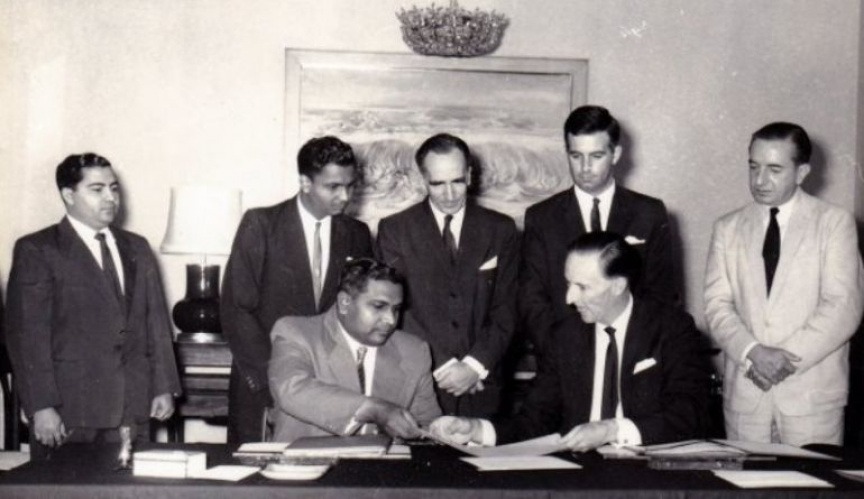
On the 26th July 2025, the Republic of Maldives will celebrate 60 years of Independence from the British. To mark this occasion, our Higher Education Lead & Maldives Representative, Sophia Nasif, has written up a brief history of the Maldives’ European colonial era.
The Portuguese were the first Europeans to attempt control over the Maldives, arriving in 1518 and briefly occupying Malé before being expelled in 1521. After several failed attempts, they reasserted control in 1558. Their rule ended dramatically in 1573, when local hero Muhammad Thakurufaanu al-Auzam led a successful uprising on the eve of a planned mass conversion to Christianity, expelling the Portuguese for good.
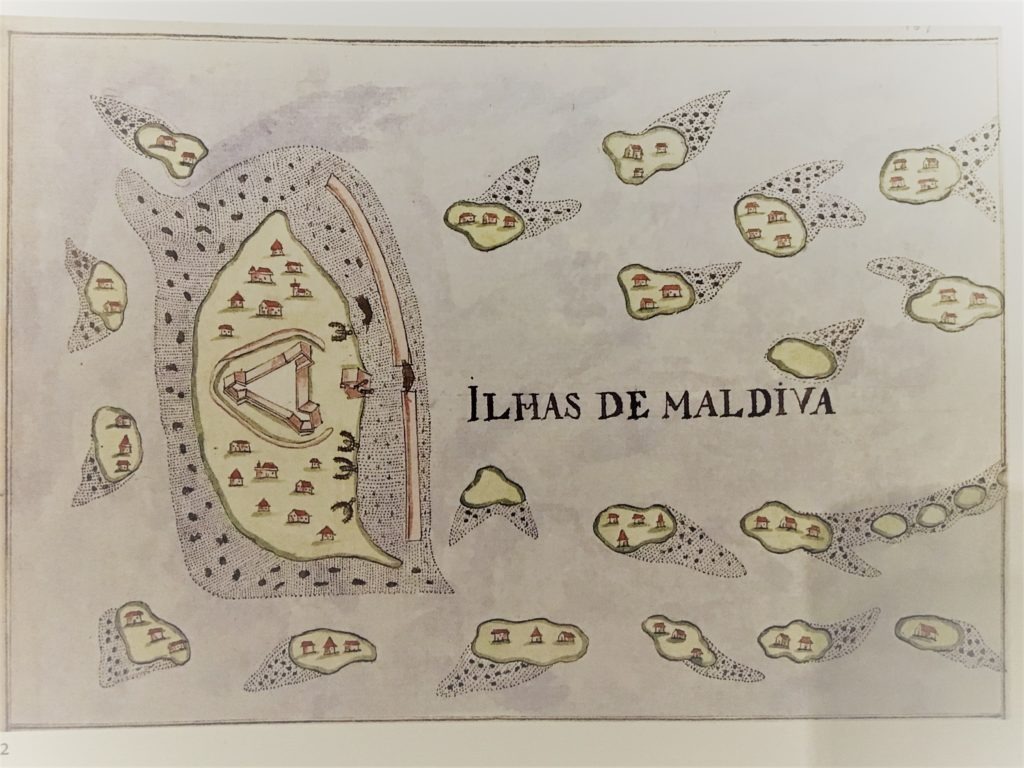
In 1658, the Dutch colonised the islands as part of their Ceylon colony, establishing indirect control through the Dutch East India Company. While they allowed Islamic traditions and local governance to continue, unrest persisted, and the increasing British pressure eventually pushed the Dutch rule out.
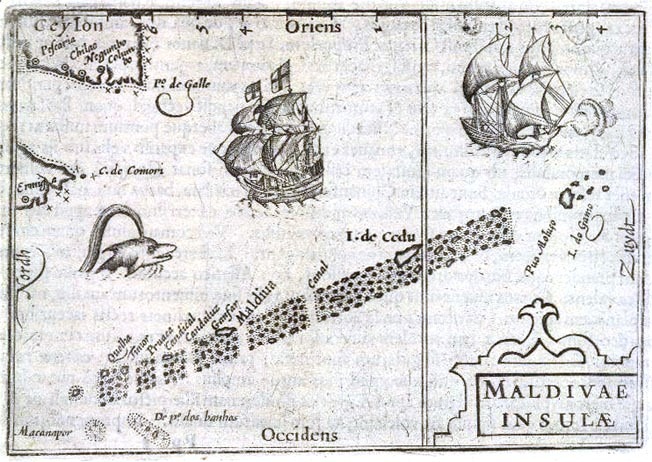
After ousting the Dutch in 1796, the British claimed the Maldives as a protectorate. This was formalised in 1887 through an agreement with Sultan Muhammad Mueenuddeen II. While the Maldives lost sovereignty over foreign affairs, they maintained internal autonomy. In return for an annual tribute, Britain provided military protection and allowed the islands to remain under Islamic governance.
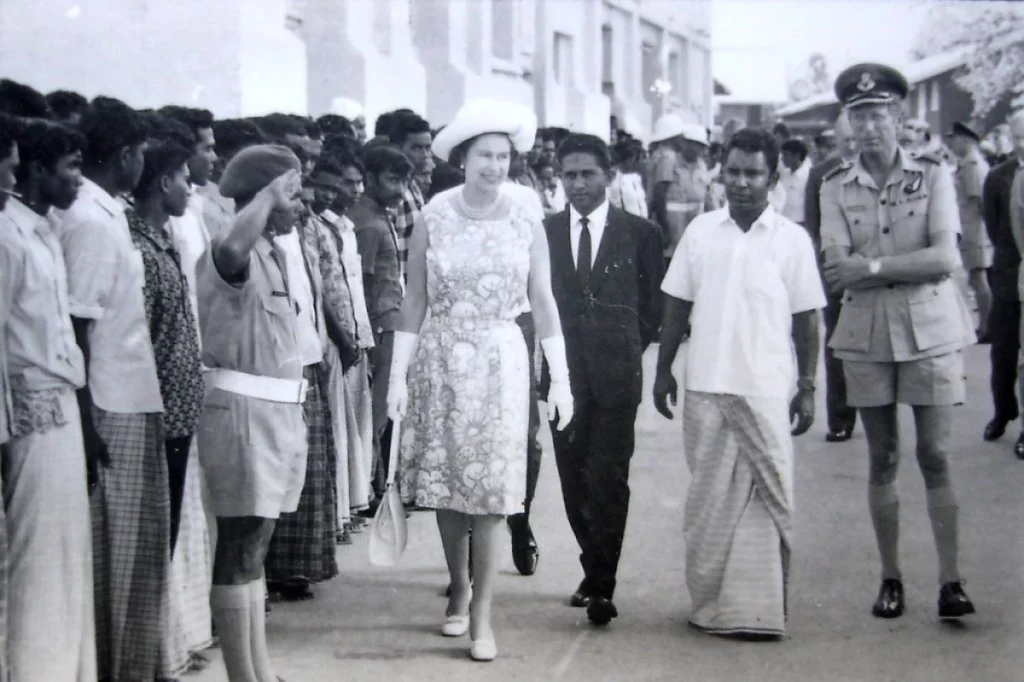
During World War II, the British established a naval base on the island of Gan in Addu Atoll, later converted to RAF Gan in 1942. Residents of the island were forcibly displaced during its construction. The base was handed back to the Maldivian government in 1976.
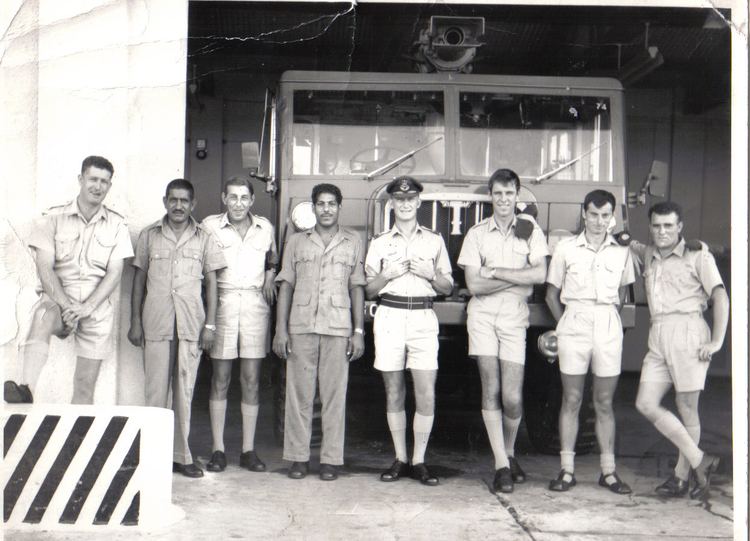
In 1965, the Maldives gained full independence from Britain. It joined the Commonwealth in 1982, withdrew in 2016, and rejoined in 2020 as its 54th member.
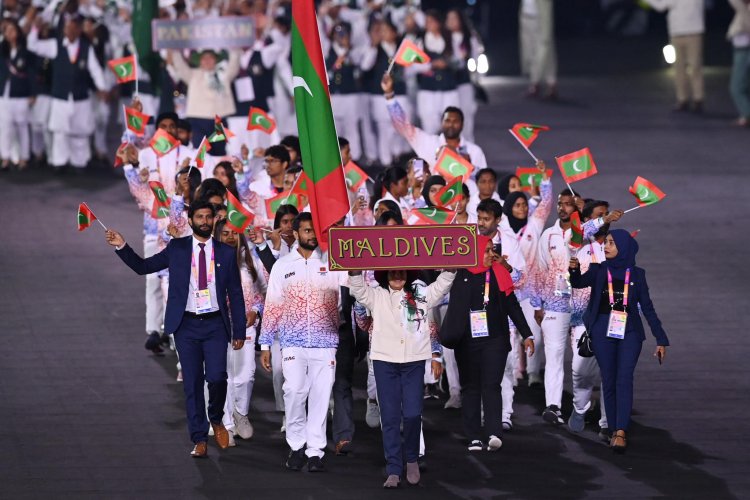
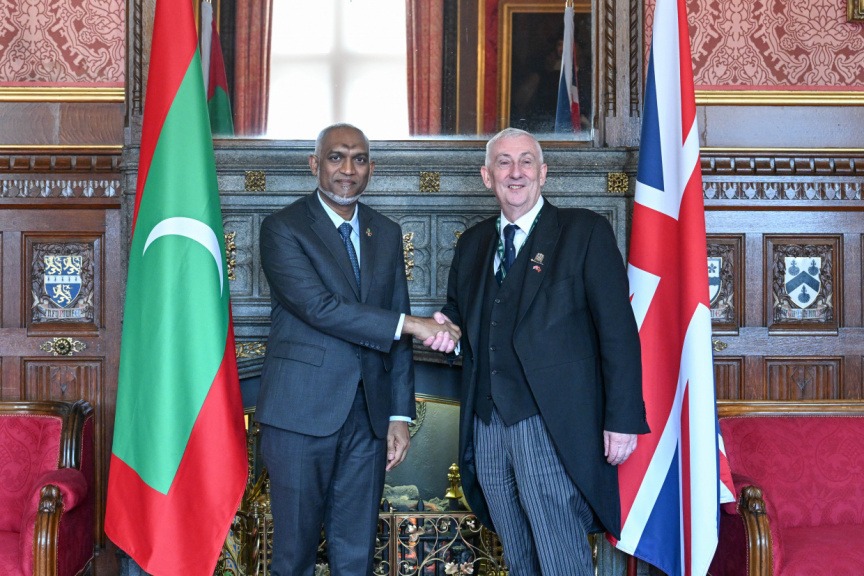
The UK continues to support the Maldives on shared priorities in areas like environmental protection, sustainable tourism, fisheries, and democratic governance. Their enduring relationship was highlighted by Maldivian President Mohamed Muizzu’s recent visit to the UK Parliament.
Sources & Image Credits:
https://maldivesindependent.com/politics/timeline-story-of-independence-115638
https:/en.wikipedia.org/wiki/History_of_the_Maldives#Colonial_period
https://atolltimes.mv/post/news/151
https://atchistory.wordpress.com/2023/09/07/raf-gan/
https://www.olympic.mv/opening-ceremony-of-the-xxii-commonwealth-games
UNBREAKABLE Book One WRONG PLACE, WRONG TIME… A TRUE ACCOUNT OF A YOUNG INDIAN BOY LIVING IN AN ERA OF RACIAL HATRED Jag Singh www.jagsingh.uk
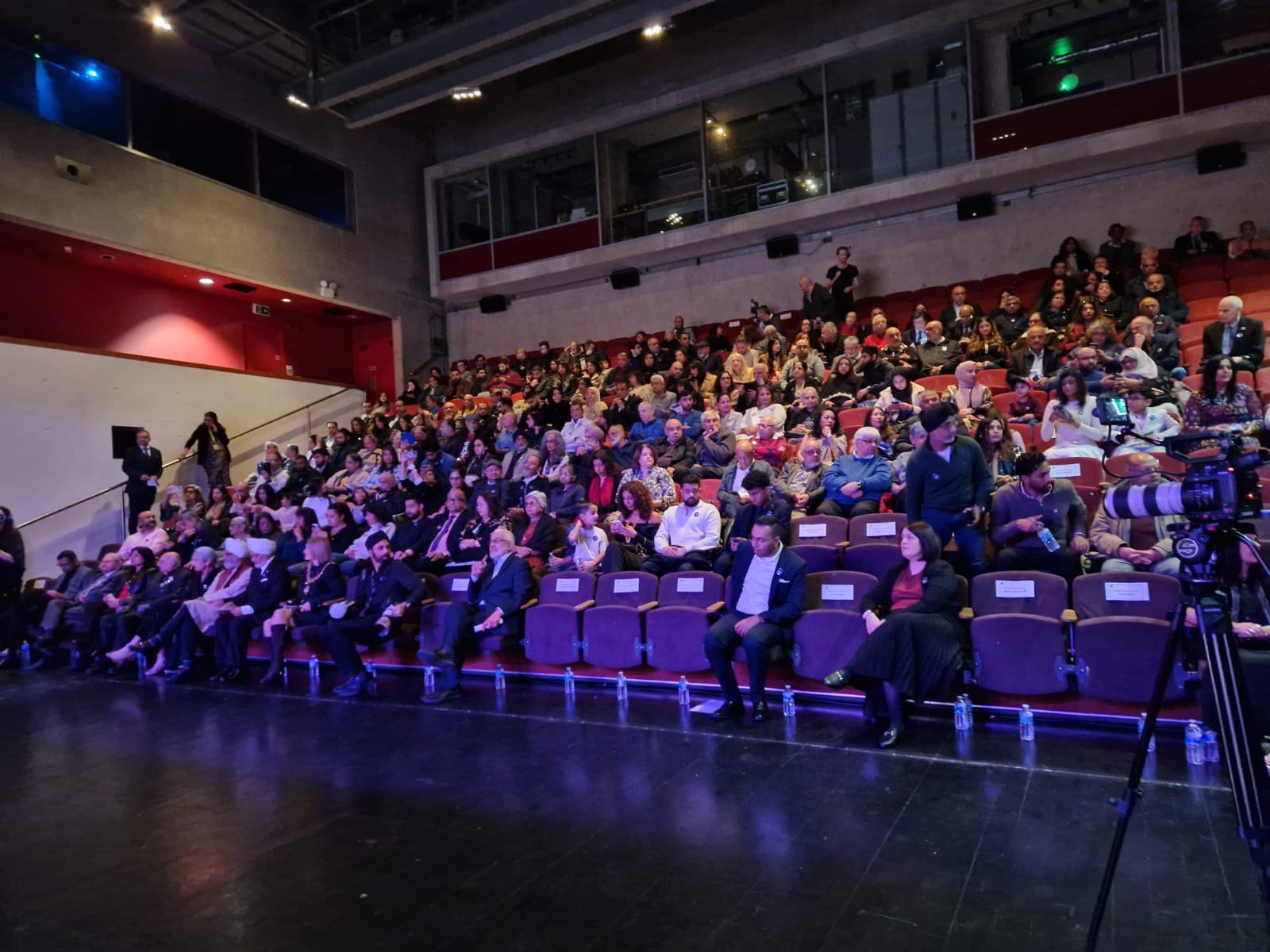
In the heart of the largest community of Indians living outside of India, 312 people at The Peepul Centre, Leicester, and over 1,000 streaming live
A short documentary to tell the stories of two families from Punjab whose family laid roots in the 1950s. The aim of the film is