 South Asian Heritage Month dates changed to "July" from 2026 — Learn more here →
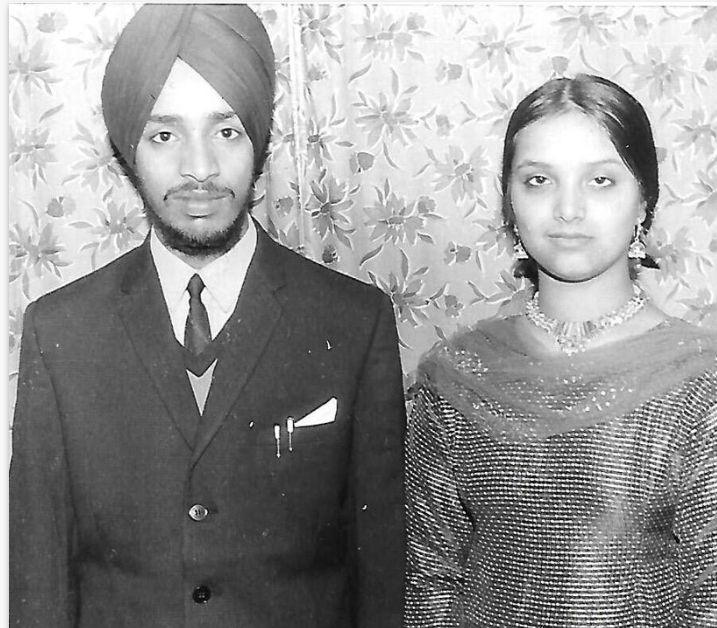
UNBREAKABLE: A True Story of Defiance and Survival
UNBREAKABLE Book One WRONG PLACE, WRONG TIME… A TRUE ACCOUNT OF A YOUNG INDIAN BOY LIVING IN AN ERA OF RACIAL HATRED Jag Singh www.jagsingh.uk


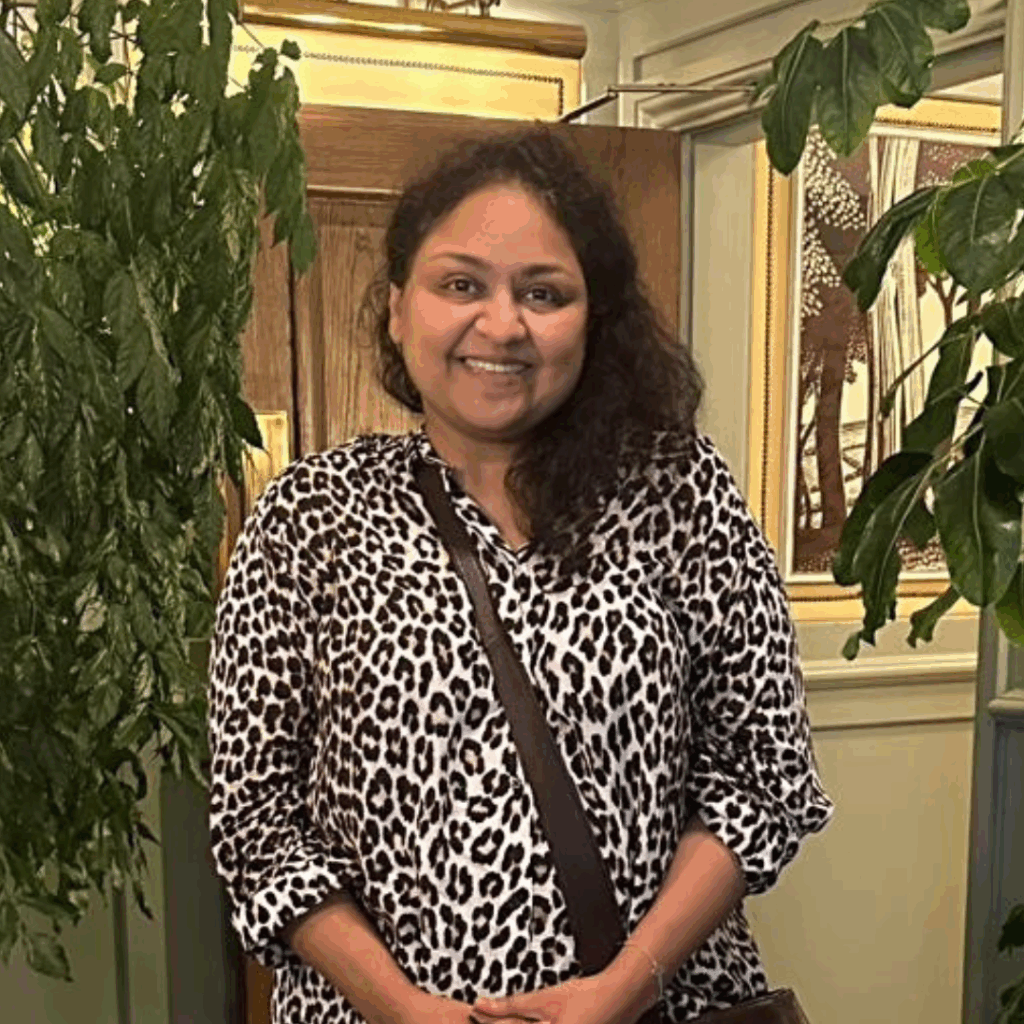
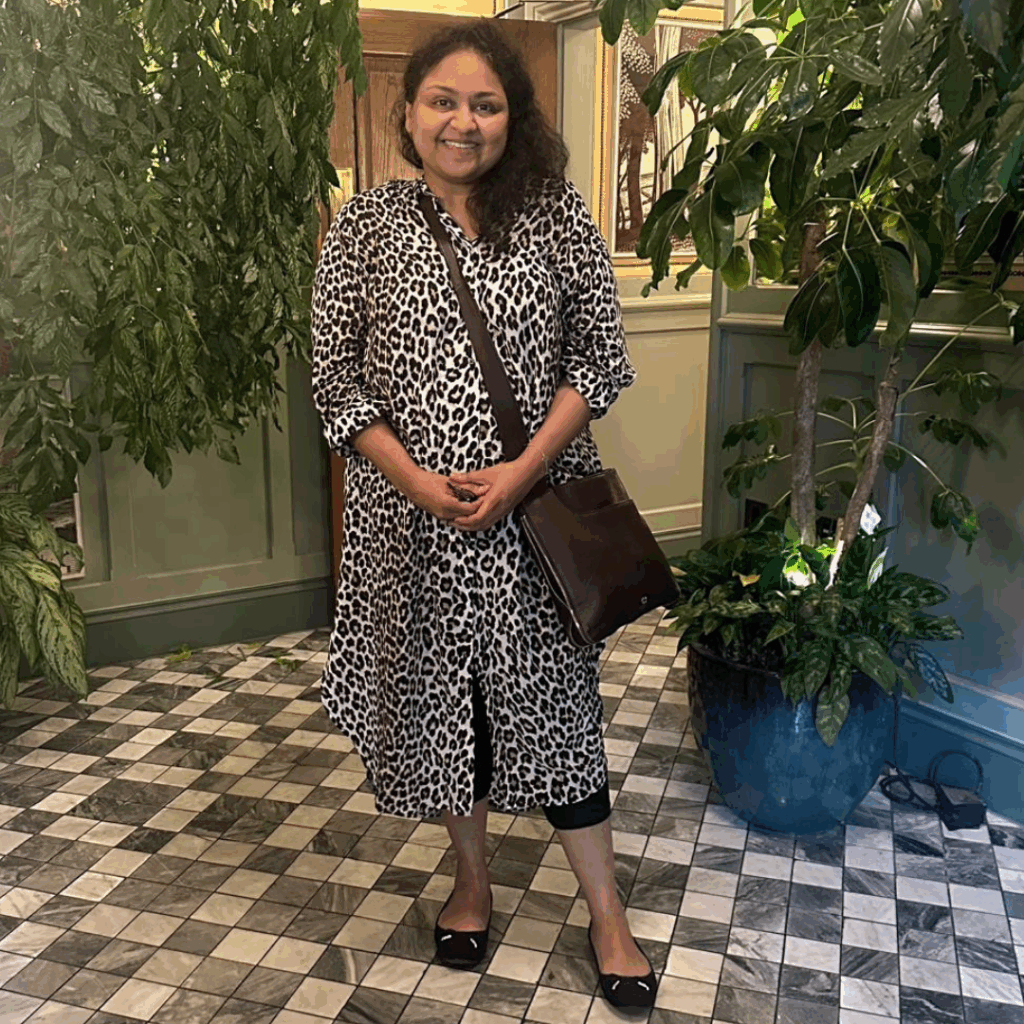
I’m Louvain and work as a Civil Servant in London. I found out I had lung cancer following a scan for suspected appendicitis.
In 2021, I went into hospital for a CT scan as doctors thought I may have appendicitis. It turned out to be an ovarian cyst but at the same time, they also spotted a small nodule in my left lung. It was mid-pandemic, so I didn’t receive any follow-up for the nodule and carried on as normal. A couple of years later, I had another CT scan and the doctors noticed the same nodule had now doubled in size. I was referred urgently for a lung function test and PET scan, that didn’t show any issues.
Just a month later I had another PET scan and I remember looking at an image of my lung – all lit up like a light bulb. My lung consultant confirmed I had a carcinoid tumour.
I didn’t hear the word cancer, until February 2024. The health professionals spoke about ‘a nodule’, ‘a mass’, ‘a benign tumour’. My surgeon was the first to say ‘cancer’. Strangely, it didn’t upset me to be diagnosed with cancer. I felt like I almost knew I was going to get it one day. Even though I have no family history of cancer, it seemed inevitable, remembering the statistic that 1 in 2 people will get cancer in their lifetime. I was 49 years old. I didn’t feel ill or have any pain, and it only began to really hit me when I met my MacMillan Cancer Support nurse.
I had surgery to remove my lymph glands and the lower left lobe of my lung in March 2024. Thankfully, the cancer was caught in the early stages, it was in one part of the lung and hadn’t spread. And my surgeon said the rest of my lung generally appeared healthy with no damage from smoke or my recurring bronchitis. I didn’t need further treatment and after 10 days in hospital, I was discharged. I recovered well and found it quite easy to get back to my daily routine.
It has been 8 months since my surgery and I’m feeling stronger every day. Follow-up tests haven’t shown any new or reappeared nodules. I use inhalers to help my breathing as I still have a cough. I also have numbness on the left side of my body, so I’m waiting to see the Neuropathy department.
Telling my friends, family, work colleagues ‘I have cancer’ was easy. Seeing their reaction was hard. But they have been a great support, as have the surgeons and healthcare staff that helped me throughout my diagnosis and treatment.
MacMillan Cancer Support explained everything I needed to know, gave me information about carcinoid tumours and provided regular email updates which answered questions such as your rights at work.
We don’t always speak openly about our health issues. Not everyone is fortunate to have the ongoing support I do, nor do they feel they can speak to others without the fear of being judged. Although I opted not to have counselling, I’d recommend it to those who don’t have a support network around them. I also found cancer support groups invaluable as sometimes we can talk and listen better in the company of strangers.
Having access to my own test results for scans and reports (through the NHS App) helps me to be better prepared when I meet with the Oncology team for follow-up appointments.
It is important to get checked out, if something doesn’t feel right, don’t let pride, fear or shame hold you back.
We need support to stop smoking and vaping. I’ve seen people in my community moving from cigarettes to vaping, without understanding it’s not a long-term solution and the goal is a life free of smoking and vaping.
Education and advocacy from those who have gone through cancer is so important to helping others to lead a healthier lifestyle. Since my diagnosis, two of my friends from the South Asian community have given up smoking and vaping. I didn’t lecture them, but they saw other cancer patients at my appointments who were in later stages of cancer that were similar ages if not younger than we are. While I’m too young to be eligible, lung cancer screening is being rolled out around the country for people aged between 55 and 74 who smoke or used to smoke. They may save lives and make sure more people have their cancers spotted sooner. I’m proof that being diagnosed early matters. Find out more about lung cancer screening
I share my story, to raise awareness that cancer can affect you or anyone. Many people think they won’t ever get cancer. I’ve met people who are in denial and don’t want anyone to know they have cancer. There’s still a stigma in our community, but it’s nothing to be ashamed of. Speaking up can help others recognise symptoms or get themselves checked. For me, timing was crucial. An early diagnosis means early treatment.
UNBREAKABLE Book One WRONG PLACE, WRONG TIME… A TRUE ACCOUNT OF A YOUNG INDIAN BOY LIVING IN AN ERA OF RACIAL HATRED Jag Singh www.jagsingh.uk
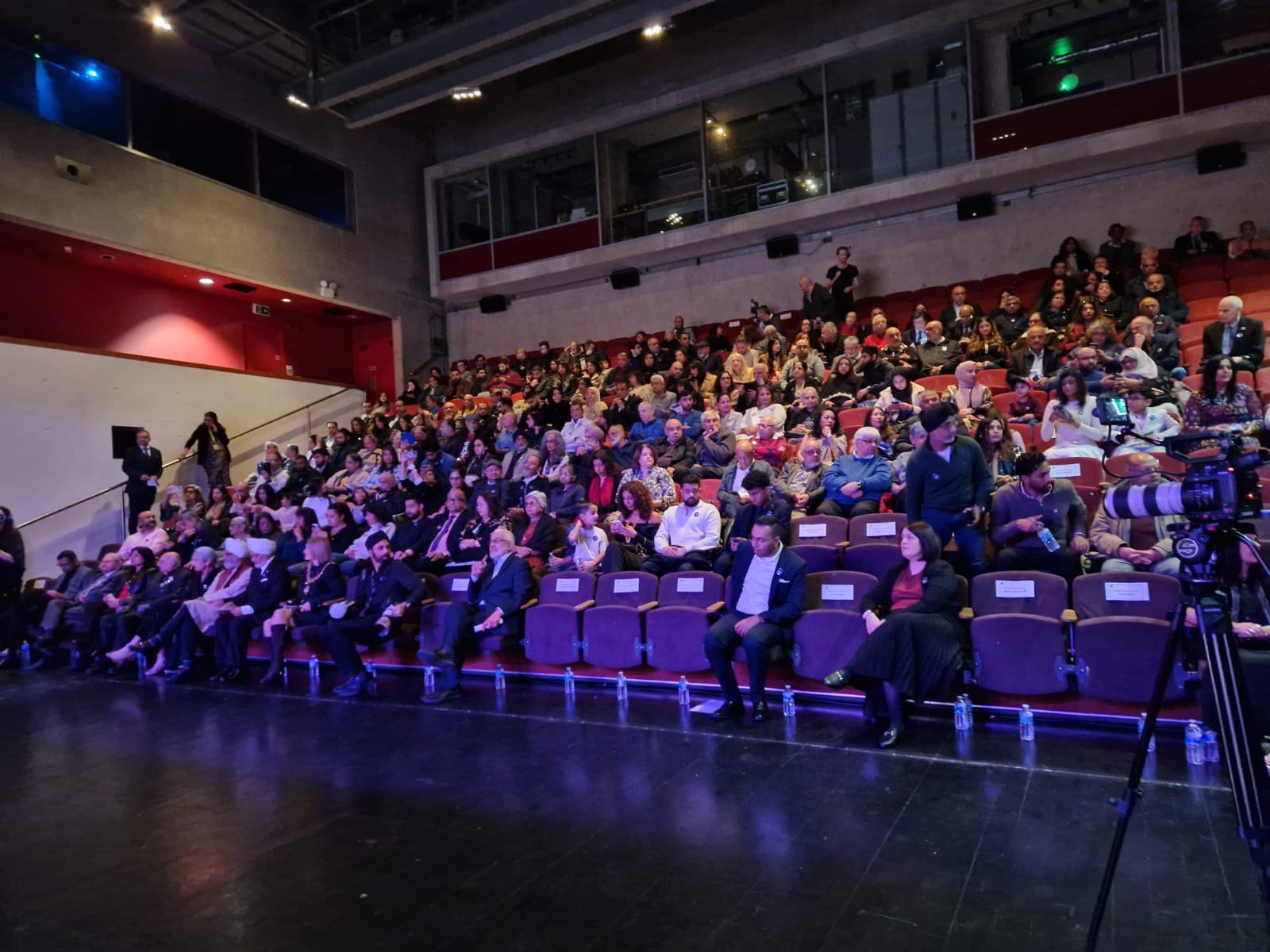
In the heart of the largest community of Indians living outside of India, 312 people at The Peepul Centre, Leicester, and over 1,000 streaming live
A short documentary to tell the stories of two families from Punjab whose family laid roots in the 1950s. The aim of the film is