 South Asian Heritage Month dates changed to "July" from 2026 — Learn more here →
UNBREAKABLE: A True Story of Defiance and Survival
UNBREAKABLE Book One WRONG PLACE, WRONG TIME… A TRUE ACCOUNT OF A YOUNG INDIAN BOY LIVING IN AN ERA OF RACIAL HATRED Jag Singh www.jagsingh.uk

As part of South Asian Heritage Month, I’m sharing a personal story that reflects the complexity of being British Asian—one shaped by migration, identity, and a heritage that spans continents. This is a story of struggle, strength, and the quiet power of rebuilding from loss.
Between Two Worlds: A British Asian Story of Identity, Struggle, and Belonging
I was born in Britain, but Britain never quite felt like home.
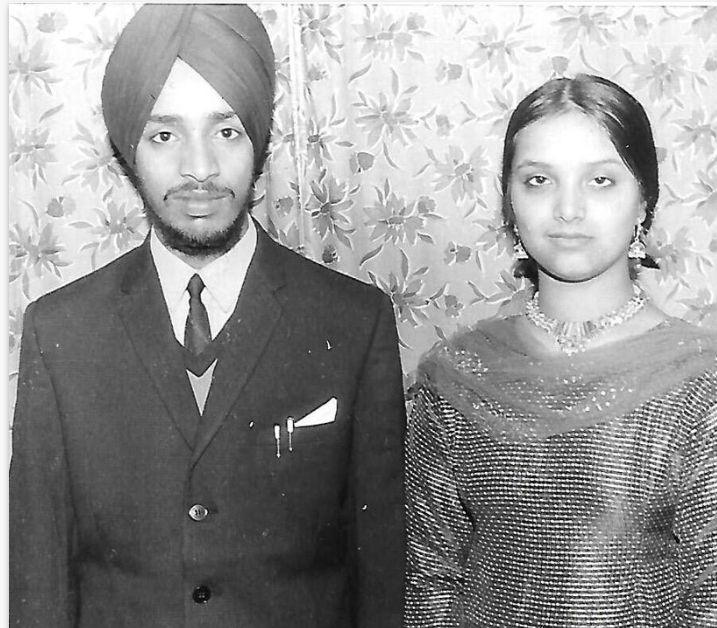
My story begins long before I arrived. It begins with my parents—Punjabis born and raised in Kenya. They had full lives, a strong community, and a deep connection to a land that no longer wanted them. When political tensions rose and Asian communities were pushed out, they had no choice but to leave. Like so many others, they packed up overnight, leaving behind not just memories but livelihoods. Our family’s business—built through years of hard work—was lost in the process.
They came to Britain with nothing but worry, determination, resilience, and the will to start again.
They rarely spoke about what they lost. Instead, they focused on survival—working long hours, navigating a new country, trying to raise children in a place that didn’t always welcome them. The weight of that sacrifice was something I only began to understand as I got older.
Growing up in the UK, I lived between two worlds. At home, I was surrounded by Punjabi culture—our language, our food, our values. There was warmth, discipline, and deep-rooted pride. Mum making home cooked cuisines, bhangra music playing in the background, family visits filled with loud laughter and louder opinions. This was my world, chaotic & beautiful.
But outside those walls, I was constantly reminded that I was different.
In school, I learned quickly how to blend in. Teachers struggled with pronunciations, Classmates laughed at what they didn’t know. I learned to laugh too, but quietly because deep down, I was tired of feeling like an outsider.
And yet, even within our community, I sometimes felt like I didn’t quite fit. Many assumed we had family in India. But I’ve never been to India. We have no one there anymore. Our ties to Punjab exist through stories, not people. If anything, my strongest cultural connections came from my parents’ lives in Kenya—stories of warmth, struggle, and tight-knit community that I could picture in my mind.
That changed when we visited Africa. It was the only time I got to walk where my parents once did. I saw their schools, their neighbourhoods, the places they used to gather. For them, it was emotional—equal parts memory and loss. For me, it was grounding. I didn’t feel at home there either, but it helped me understand where I came from in a way I never could through stories alone.
And through all of this, my younger sister walked her own version of the same journey.
She was born into the same culture, the same expectations—but her experience was shaped by mine. I tried to shield her from the harshest parts, to explain things I had to figure out on my own. We had endless chats about school, about fitting in, about the pressure to be one thing in public and another at home. She became my confidant, my mirror, and my reminder that we were navigating something bigger than ourselves.
We both learned early on how to bridge cultures—translating letters for our parents, helping them with forms, and becoming the first generation to truly grow up British while carrying the weight of a past we never lived. It wasn’t easy. But in that struggle, we found strength.
There were moments of joy too. When we wore our traditional clothes with pride. When a friend tried our food and genuinely loved it. When someone asked where we were “really from” and actually listened to the answer. These moments may have been rare, but they mattered.
Now, as I reflect, I realise that identity doesn’t have to be fixed. I am Punjabi, British, the child of immigrants, the product of sacrifice. I’m shaped by a history of movement—from India to Kenya to the UK. That story is complicated. It’s also powerful.
This blog is not just about me. It’s about my parents’ resilience. My sister’s strength. Our shared experience of being born here, but never fully embraced. Of learning that home isn’t a place—it’s something we build for ourselves. We don’t live in the in-between. We are the in-between. And that space, once confusing, has become something I’ve learned to cherish
UNBREAKABLE Book One WRONG PLACE, WRONG TIME… A TRUE ACCOUNT OF A YOUNG INDIAN BOY LIVING IN AN ERA OF RACIAL HATRED Jag Singh www.jagsingh.uk
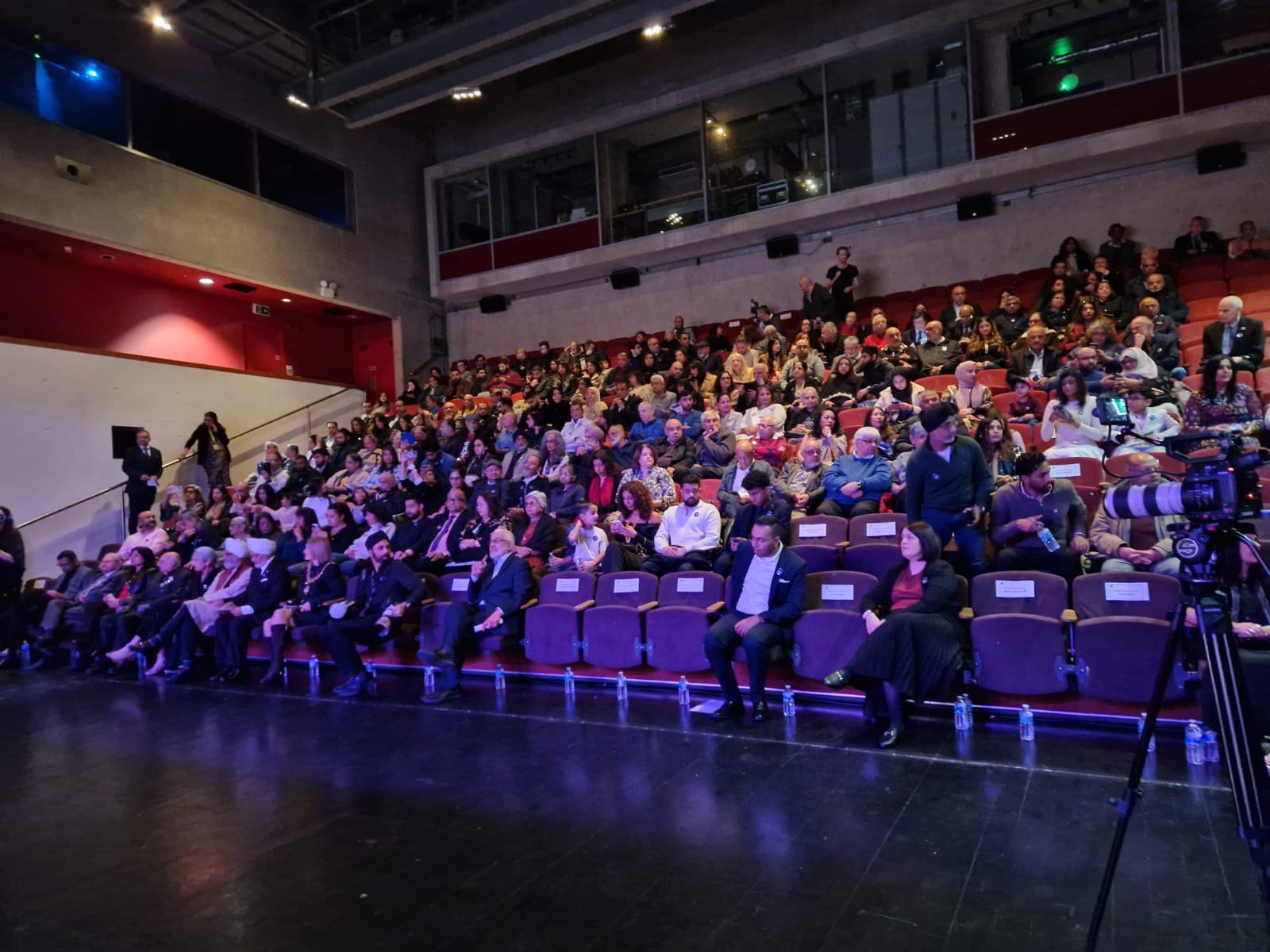
In the heart of the largest community of Indians living outside of India, 312 people at The Peepul Centre, Leicester, and over 1,000 streaming live
A short documentary to tell the stories of two families from Punjab whose family laid roots in the 1950s. The aim of the film is