Bridging the Gap: Organ Donation and South Asian Communities

spotlight the inequalities

South Asian Heritage Month is a time to celebrate, educate, and commemorate, but also to spotlight the inequalities South Asian communities continue to face. One of those inequalities is around organ donation: a topic that’s deeply personal, often misunderstood, and rarely talked about enough.
That’s why, on 30th July 2025, we brought together NHS staff, community advocates, faith voices, and lived experience speakers for a powerful online conversation. Hosted in partnership with APNA NHS and NHS Blood and Transplant, this webinar explored the cultural, religious, and systemic barriers that contribute to lower donation rates in South Asian communities, and how we can start to change that.
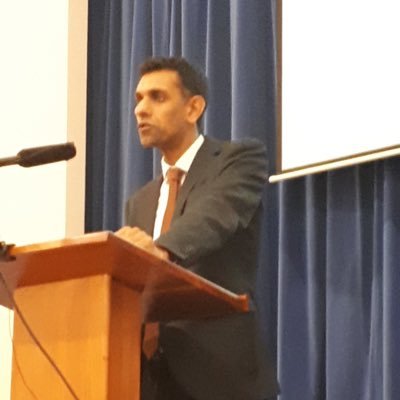
The session was hosted by Professor Habib Naqvi, Chief Executive of the NHS Race and Health Observatory, who led with empathy, clarity, and deep understanding of the wider health inequality landscape.

Watch the full webinar

“She made life easier for me by telling me what she wanted. That’s the gift she gave me.”

That was Mahmud Nawaz, sharing the story of his late wife, Sharon. When she died suddenly in 2004, he was in shock. But she’d told him, years earlier, that she wanted to be an organ donor.

“Had she not had that conversation with me, I would have said no.”

Because of that one conversation, Sharon saved four lives – including a one-year-old boy who received a liver transplant and is now thriving. Mahmud met him 21 years later.

“It didn’t just change their lives. It changed mine.”

“One in three people on the transplant list are from minority backgrounds. But we only make up 18% of the population.”

Professor Gurch Randhawa has spent decades working on equity in public health. He reminded us that organ donation is just the tip of a much larger issue.

He spoke about:

  • The mistrust many people feel when approached about organ donation

  • The assumptions made about culture, faith, and end-of-life decisions

  • The power of lived experience in building trust where policy can’t reach

“We’re underrepresented on the opt-in register, but overrepresented on the opt-out list. That’s a warning bell we can’t ignore.”

“Why should a daughter donate to her father?”

That’s what Ekta Marwaha was asked when she decided to give a kidney to her dad. She didn’t listen.

“There were lots of misconceptions — that I wouldn’t be able to have another child, that a daughter shouldn’t donate to her father… but none of it was based on fact.”

Today, her father is thriving. Her daughter knows what organ donation is. And her family? They’ve seen the truth up close, and they’re talking about it now.

“We even celebrate two birthdays: his, and the day of the transplant.”

We don’t talk about death in our communities. We don’t talk about organ donation. We don’t ask. We don’t know.

But as Dr Binita Kane said during the closing of the event:

“This is a health inequality we can all help solve – for free – by just having a conversation.”

Three things you can do today

  1.  Register your organ donation decision
      www.organdonation.nhs.uk/register-your-decision
  2. Talk to your family
    Your decision only matters if they know it.
  3. Watch & share the full webinar
    These stories could be the start of someone else’s change.

The event was attended by 40+ professionals from across the NHS and community organisations, including NHS Blood and Transplant, APNA NHS, Jan Hindu Organ Donation, Muslim Doctors Cymru, British Sikh Nurses, and several Integrated Care Boards.

We are working with NHS BT to increase awareness of Organ Donation within South Asian Communities, If you would like to find out more or get involved contact us at Harvinder@southasianheritage.org.uk