Indian Army Memorial Room, Sandhurst

The Indian Army Memorial Room (Sandhurst Trust)
The Indian Army Memorial Room stands as a tribute to the rich history and enduring spirit of the Indian soldiers of the British Indian Army.

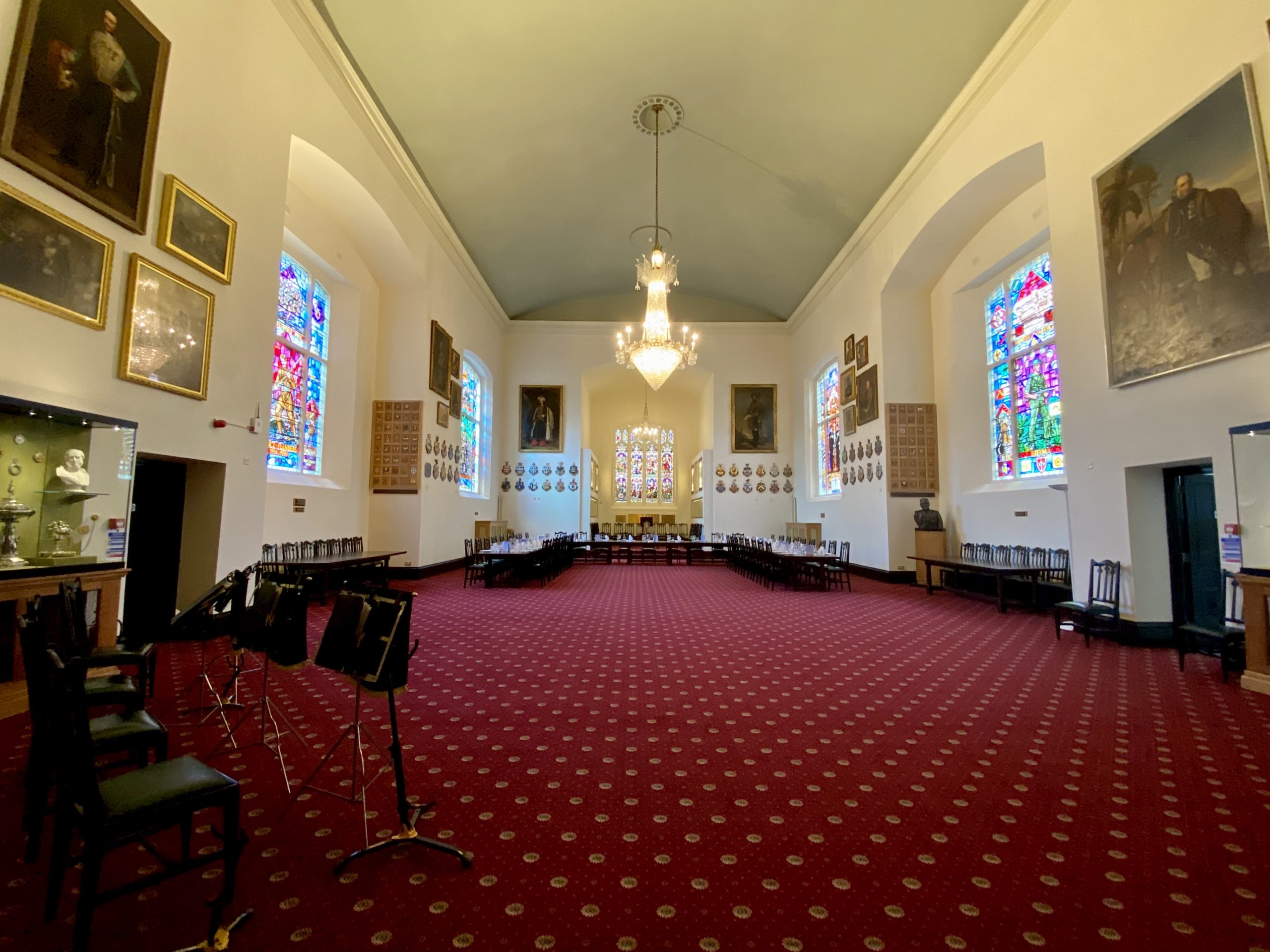
Nestled within the walls of the Royal Military Academy Sandhurst lies a treasure trove of history – the Indian Army Memorial Room. This light-filled room pays homage to the remarkable soldiers of the British Indian Army, their rich heritage, and enduring spirit.

Crafted displays showcase over 100 artefacts from the National Army Museum collection, some of which haven’t been seen in over 70 years. Glass cases house fascinating items like ceramics, silverware, and regimental badges.

A series of 57 paintings adorn the walls, including portraits of legendary figures like Subedar Khudadad Khan VC, the first Indian soldier to receive the Victoria Cross, and Havildar Gaje Ghale VC, honoured for his bravery during the Burma campaign in 1943.

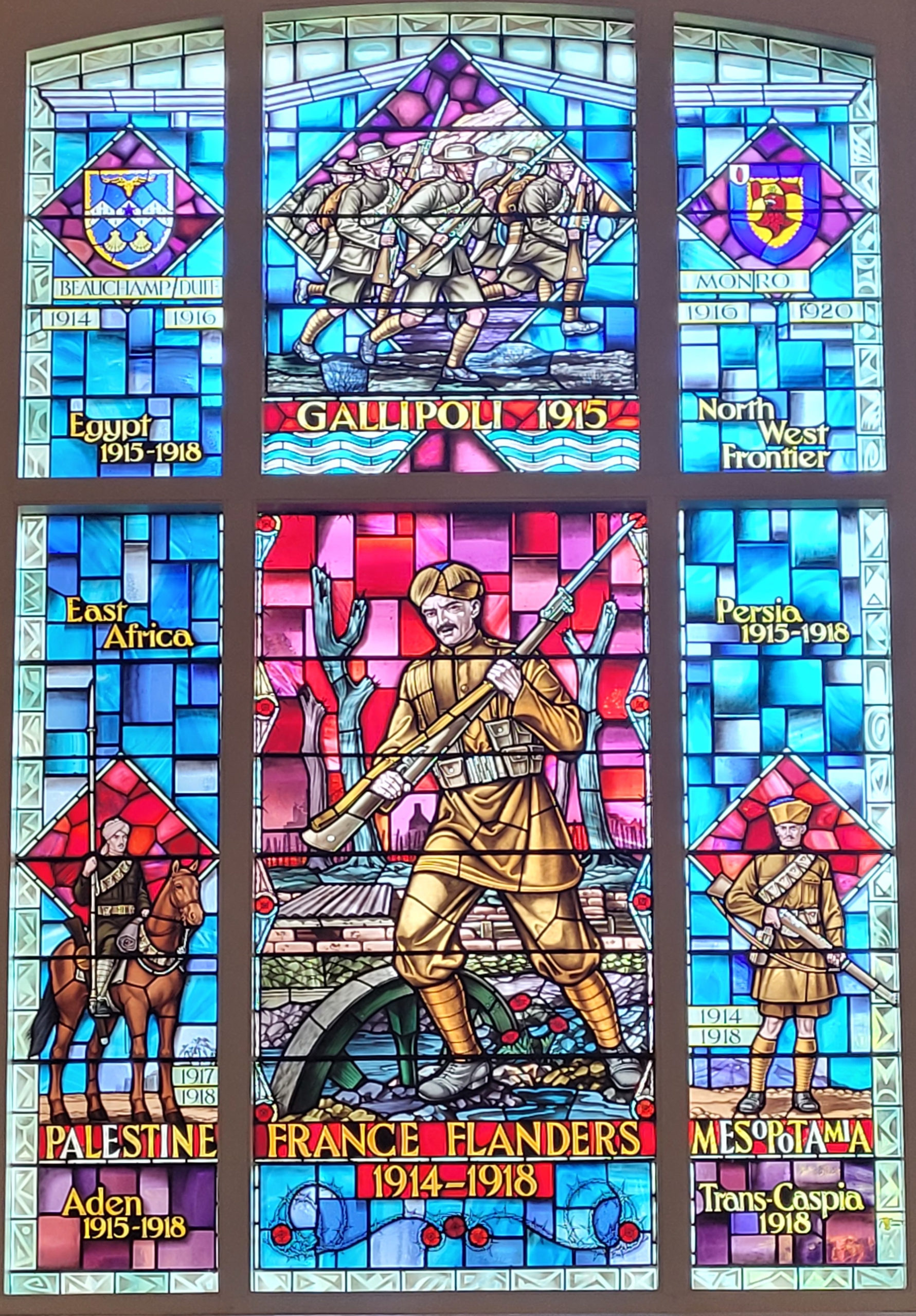
But perhaps the most striking feature is the four large stained-glass windows. Each vibrant window depicts a different battle scene, showcasing the campaigns the British Indian Army participated in.

These objects are more than just relics; they are a tangible connection to the past. They ensure that the service and sacrifices of these brave soldiers are never forgotten. The Memorial Room serves as a bridge between generations, fostering a deeper understanding of their service and dedication.

Established in the 1950s and refurbished in 2019, the Memorial Room offers a space not just for learning, but also for quiet contemplation. Visitors can delve into the historical context of the British Indian Army’s contributions to global conflicts.

Despite being an enclosed establishment, Sandhurst, in Camberley, Surrey, welcomes visitors through tours organised by the Sandhurst Trust. Tours take place on set days throughout the year and can be booked through the Sandhurst Trust Website.

Share the Post:

Related Posts

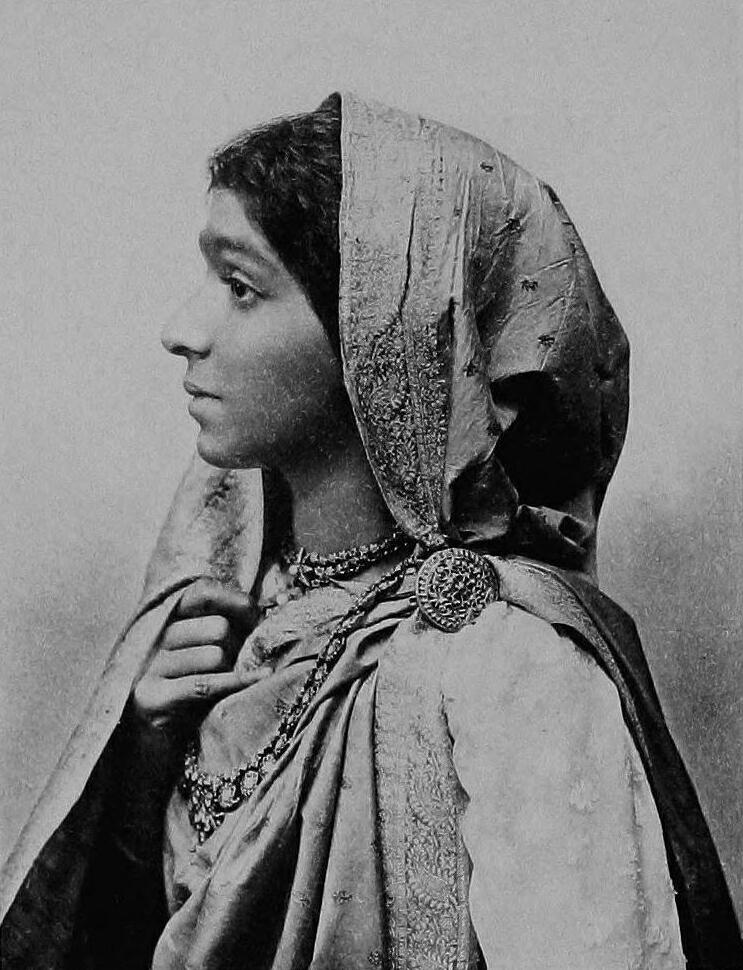
my mummy in her later teens possibily.

I Inherited her Light, A tribute to my mothers creative legacy.

As the saying goes, “Like mother, like daughter.” In the case of creative talents, this couldn’t be more true. The influence of a mother’s creativity can leave a lasting impact on her children, shaping their own artistic endeavours and passions. In this journal I explore the profound impact my mother’s creative legacy has influenced me and how Sohavi was truly born. Roots to routes explores my late mothers life journey from birth in Kenya to India as a teenager and eventually returning to Kenya in her 20’s , to marry my father Sardar Tirlochan Singh Dhamu, to emigrate to London from Nairobi in October 1973 and live out the rest of her life. Despite experiencing loss and trauma, she endured difficulties  n her younger years and made the best of her life in my fathers trusting hand, he led her to a new life in London. 

Read More