Diversity

A Rhyme That Carried My Heritage Across Generations
“भाषा केवल शब्दों का संग्रह नहीं होती, यह हमारी संस्कृति, हमारी यादों और हमारी पहचान को आगे बढ़ाने का माध्यम होती है।” (Language is not


Personal Reflections, Hidden Histories, and the Road Ahead
My journey into the field of preserving South Asian and Muslim heritage in Scotland was not planned, it began with a question that I often pondered and reflected on, which my then teenage son asked: “Why are we in Scotland?” I did not realise then how deeply that question would shape my path.
As Project Officer and Head of Research for Colourful Heritage, my role is not only varied but also an important one which sits at the interface of Scotland’s South Asian community and South Asians elsewhere and also as someone who is a contact point for non South Asian individuals and organisations. I am often asked what this involves. It is a multitude of roles from being a researcher, interviewer, author, educator, event organiser and even an exhibition and resource curator. There are also numerous email queries on people enquiring on long lost family members to using our resources in books and TV programmes; no two days are the same. Above all I find myself as one of the main contact points connecting people across various faiths and backgrounds so their stories can be heard and more importantly, amplified to a wider audience whether through talks, articles, TV programmes or by any other means. In this role, I have used every skill, along with many other transferable skills, that I gained through both my formal education and cultural education.
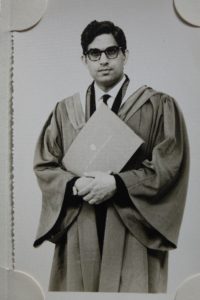
Some of the most significant discoveries have been personal. Before entering the heritage space, I completed my PhD in Organic Chemistry at St Andrews University. Through this, I came across the Pauson–Khand reaction, widely studied for its importance in pharmaceutical chemistry. Learning that one of its key contributors was Dr Ihsan Ullah Khand, a Pakistani Muslim student from Lahore who undertook his PhD at the University of Strathclyde in the late 1960s, was both surprising and deeply meaningful. It connected my scientific background with my own Scottish Pakistani Muslim identity and my heritage work in an unexpected way, highlighting how much remains hidden in plain sight.
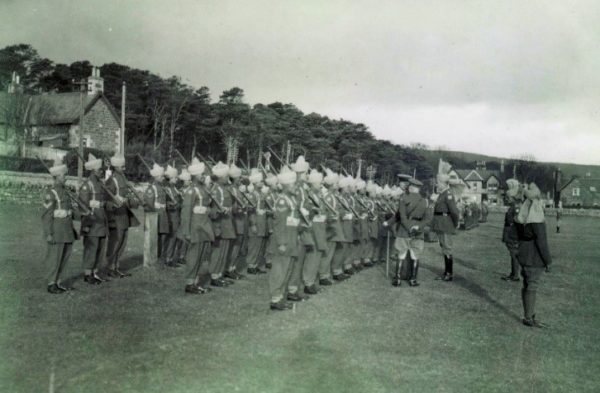
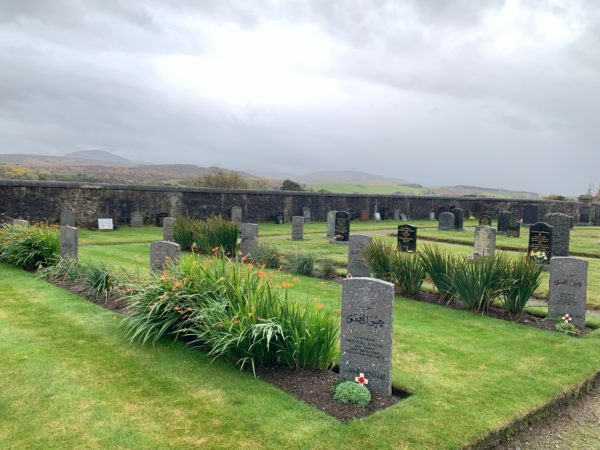
Another powerful discovery has been the story of Force K6, a unit of mainly Muslim soldiers from the British Indian Army who escaped from Dunkirk and eventually were stationed in Scotland during the Second World War. There are 13 soldiers from this unit that are buried in the Highlands of Scotland and each of them is from the Pakistan side of Undivided India. The story of the late WW2 veteran Naik Gian Singh VC having a connection with Scotland through his son Charnajit staying in Scotland was a real eye opener. His Victoria Cross is on display at the ‘GlaswegAsians in WW2’ exhibition at Kelvingrove along with a photograph of him standing outside Buckingham Palace in 1956 next to the late WW1 veteran Khudadad Khan, who was the first Indian Muslim from Chakwaal from the Pakistan side of Undivided India to be awarded a Victoria Cross medal.
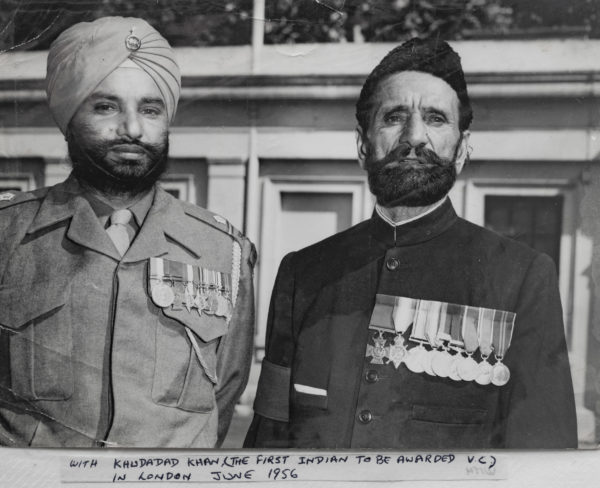
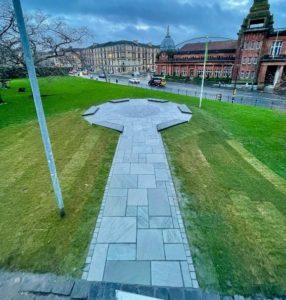
Their service represents an often-overlooked chapter of shared history, rooted in sacrifice and solidarity. They were part of 4 million soldiers of the British Indian Army that stood shoulder to shoulder with Britain to fight against fascism during both World War I and II. Yet this narrative is missed out in history particularly within the wider school curriculum. Colourful Heritage have undertaken a community wide project to build Scotland’s first National British Indian Army memorial outside Kelvingrove Art Gallery as a tangible asset to help commemorate and educate future generations.
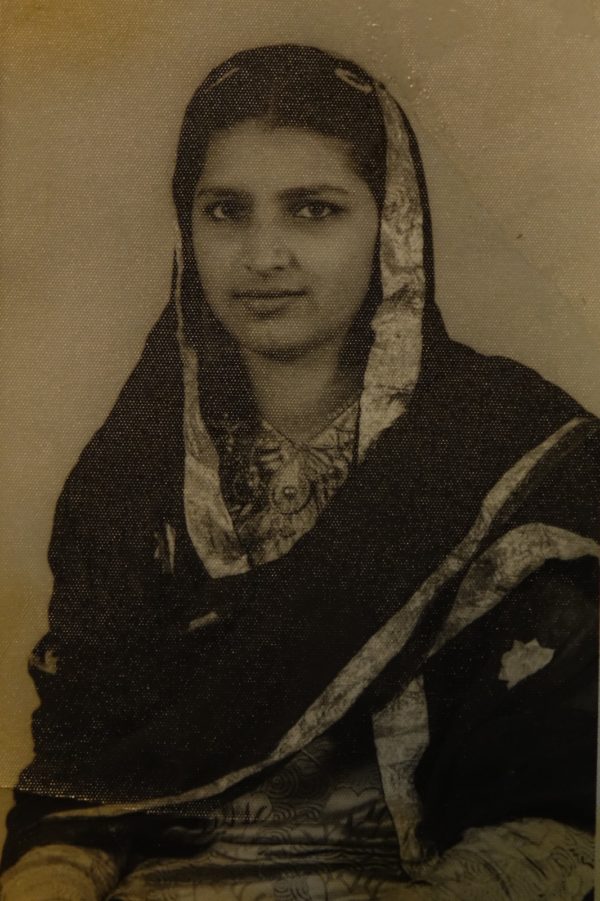
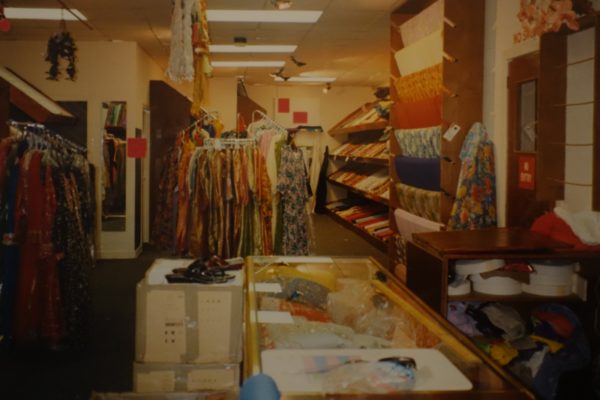
Discovering the role of the humble South Asian fabric shops in Glasgow that were uniquely run by women, was truly an eye opener. I often visited these as a teenager with my mum not realising how important these spaces were. Many were often named after the ladies that owned them or their childrens names combined such as ‘Shanazia’. One such entrepreneur was Mrs Rashida Bari, one of the early fabric shop owners. These pioneering women entrepreneurs paved the way for the next generation of female entrepreneurs. They also created jobs and opportunities for many women to stitch from home and create new styles of the traditional ‘Kameez shalwars’ (such as samosa shalwars) to keep up with the latest fashion trends as they diversified into providing a tailoring service and ready to wear garments for their customers. Not only did ladies from mainly India and Pakistan buy dress material from these shops but it’s where they made new friends and openly spoke in their mother tongue and got their news on what was happening back home. It was a place they could escape to and discuss a range of issues and even arrange ‘rishtas’ (marriage proposals) for their children. These even acted as a bank as ladies would be part of the shops ‘committee’ saving scheme.
At the heart of this work is a simple belief: understanding our history shapes our future. We have only just begun to uncover these histories, but already they remind us that Scotland’s story has always been more diverse, more connected, and more shared than we often realise.
I firmly believe that when South Asians particularly the next generation learn about these contributions, it will strengthen their identity, pride, and self-belonging. At a time when divisive narratives are increasingly visible, this work to highlight our contributions is more important than ever. By grounding our communities and wider society in shared heritage, we can challenge misinformation and foster not only a more inclusive Scotland, but a better Britain.
I am pleased to see many others in this space reclaiming Scotland’s South Asian & Muslim histories with the help of Colourful Heritage. Organisations such as the Glasgow Womens Library and their ‘She Settles in Shields’ project, NKS, Tape Letters Scotland and bigger organisations such as Glasgow Museums to name a few have helped to highlight these histories (see Part 1 link at end for info).
Today, I see Scotland as a richly diverse landscape, a tartan woven not only with traditional threads, but with colours and patterns from across the world. South Asian and Muslim communities are an integral part of that tapestry. Through Colourful Heritage, I have sought to make that visible ensuring future generations grow up knowing they belong and that their histories matter.
Ten years on, there are still many challenges in the heritage space such as forgotten or lost histories. The work to preserve South Asian history feels more urgent than ever. There are still many stories to uncover, voices to amplify, and connections to explore. Together, these efforts highlight how much remains to be uncovered. The urgency is clear: many stories risk being lost as older generations pass away or face conditions such as Alzheimer’s and dementia. Yet there is also momentum, a growing recognition that inclusive heritage matters.
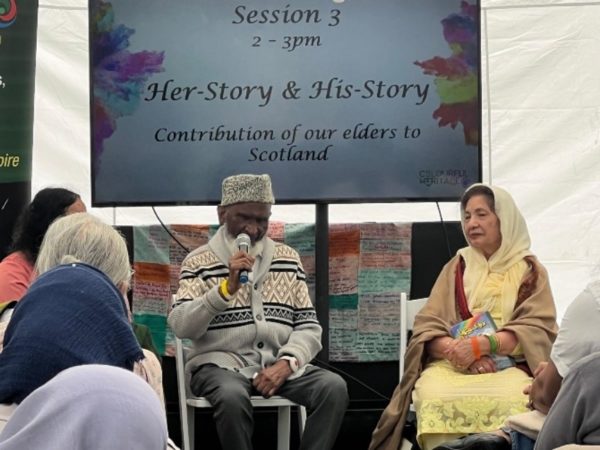

It has been an honour to be part of this journey and preserve Scotland’s South Asian and Muslim heritage to create a number of resources building upon the trilogy of books written by the UK’s first Muslim councillor, Bashir Maan CBE. I see this work as a strong foundation and as my gift, on behalf of Colourful Heritage, for future generations to learn from and build on. I would not have been able to do this alone. I extend my sincere thanks to Dr Omar Shaikh and Mr Tariq Shaikh, Founders of Colourful Heritage for having faith in me and giving me this unique opportunity in preserving our history. Thanks also to my many colleagues and volunteers over the years, friends as well as partners, and stakeholders who have supported me and this work in the last decade. A special thanks goes to a super talented young colleague, Huzefah Hanif (whom I’ve worked with since 2020) without whom non of this creative digital output was possible and of course my family who have always supported me. Above all, I am grateful to the individuals and families who have trusted me with their stories. Their memories form the foundation of Colourful Heritage, and it has been a privilege to help preserve them.
To read Part 1 click here.
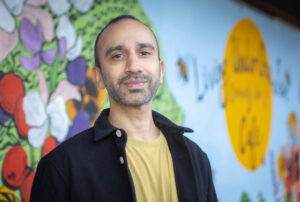
By Dr Saqib Razzaq (She/Her), Project Officer & Head of Research, Colourful Heritage.
To discover more about the digital resources by Colourful Heritage visit: ‘Preserving Scotland’s South Asian and Muslim Heritage’
To watch and hear the DemocraTea podcast with former MP, Anum Qaiser and Dr Saqib Razzaq celebrating Colourful Heritage visit: We Didn’t Arrive Yesterday | South Asians in Scotland
Contact & Social media information:
Email: info@colourfulheritage.com
Facebook: www.facebook.com/ColourfulHeritage
Twitter: @ColourHeritage
Instagram: colourfulheritagescot
Web: www.colourfulheritage.com
YouTube: www.youtube.com/Colourfulheritage
“भाषा केवल शब्दों का संग्रह नहीं होती, यह हमारी संस्कृति, हमारी यादों और हमारी पहचान को आगे बढ़ाने का माध्यम होती है।” (Language is not


My Vitiligo Journey: From Silence to Empowerment This year marked my 17th World Vitiligo Day, which took place on 25th June 2026. It was a
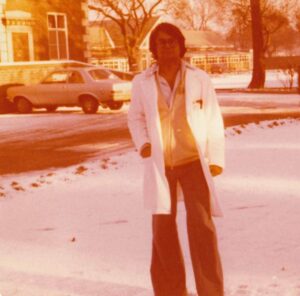

First-generation immigrants arriving in the country faced some challenging times. They often came with very little in terms of personal possessions, encountered language barriers and

Although the migration of South Asians to the UK goes back many centuries, numbers grew significantly during the 50s, 60s and 70s. Many travelled here
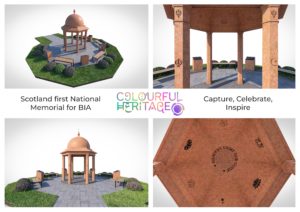

Artists impression of Scotland’s First BIA Memorial Colourful Heritage, a charity based in Scotland were granted planning permission by Glasgow City Council in December 2022
When I heard this year’s South Asian Heritage Month theme is Unity in Diversity, my first thought was of the power of trust, relationships, and