Growing up in Wolverhampton, Sundays were more than just a day of rest, they were pivotal in shaping how I understood my role, my heritage, and ultimately, my identity as a British South Asian woman.
In our home on a Sunday, after a morning visit to the temple in Willenhall, we all looked forward to the Masala Chai tea and to re-watch an old Bollywood film. The kitchen would be filled with the scent of cardamom laced chai bubbling in a pan , loose leaf, sugar, milk, and always brought to a rolling boil. The living room became our shared space, where the whole family gathered, no Uber Eats in sight. Instead, we fried bowls of homemade chips and pakora, It was a ritual, an unspoken agreement: Sundays were for family, watching bootleg VHS Bollywood films and finding our place in the world.
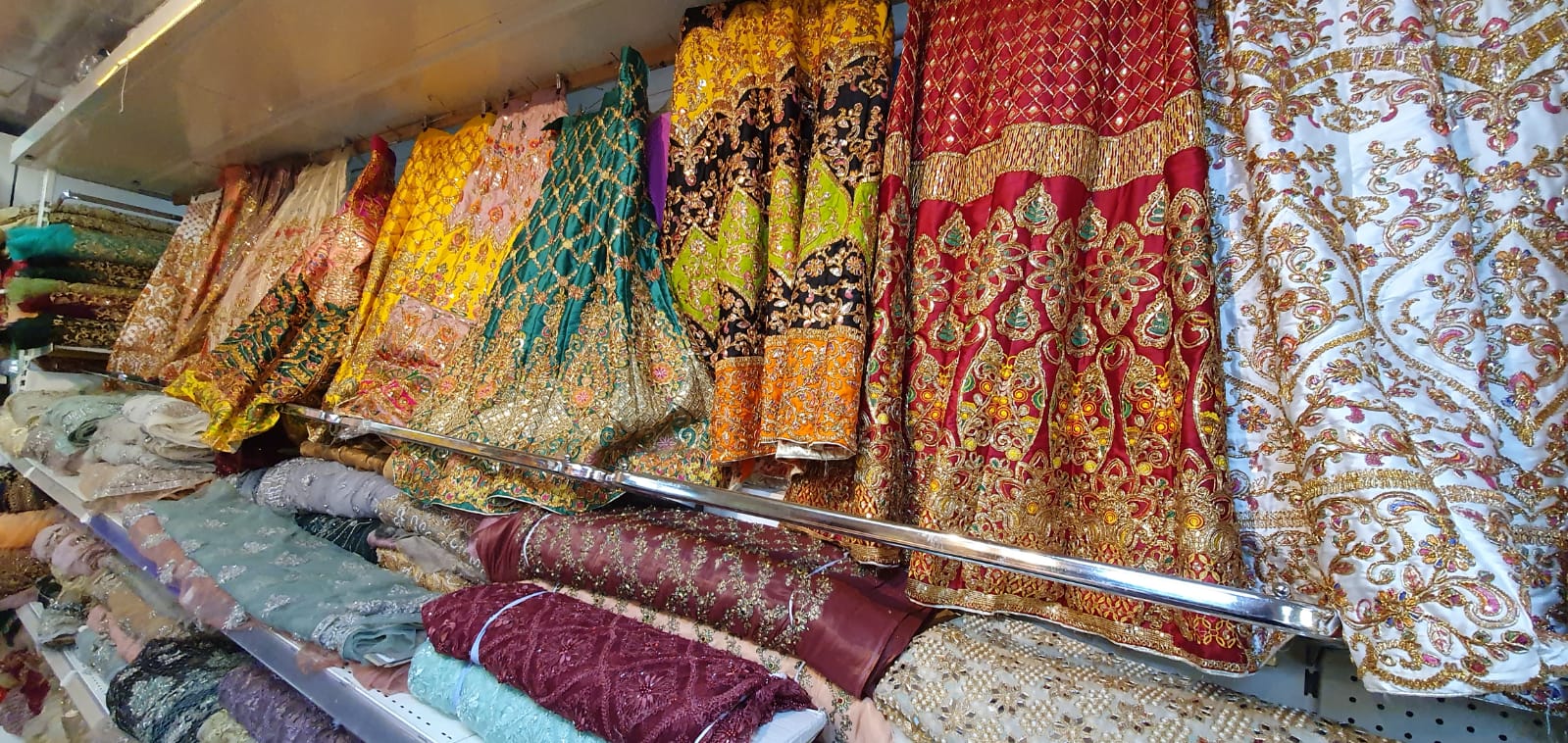
My mother, Surinder, was the quiet matriarch of our little world and with her trusty sewing machine, word of her skill spread fast, and our home soon became a revolving door of aunties with every colour of silk, satin and chenille. We would always hope that one of the ‘aunties’ did not pop round , on a Sunday, as this was the day we looked forward to being transported into Bollywood.
Through my mom and those Sunday screenings, I began to understand womanhood through the lens of South Asian cinema. My earliest recollection of a women’s role within the family was Mother India. The failed harvest, the death of her husband, and everything she had to endure. That film stayed with me. The heroine’s journey of survival showed incredible strength and resilience in a world shaped by men and prejudice.
We watched Sholay (1975) countless times and was absorbed by Radha , her sacrifices taught me how women were often expected to endure, love silently, and suffer with grace. Then came Kabhi Kabhie (1976), where learning that honour and family could outweigh passion and personal choice. It was the first time I began to question what was expected of me.
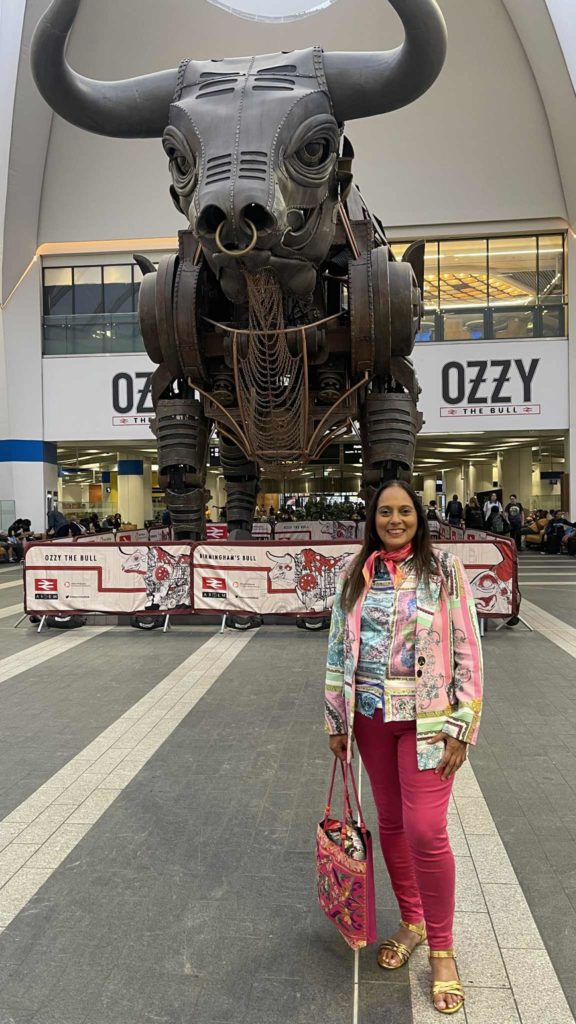
One of our favourites was the glitter and glamour. Disco Dancer (1982). My mom LOVED it! , not for its storyline, but for the fashion. My mom adores sequins, or as she calls them, sataara. Her love for sparkle has left its mark on me and to this day my wardrobe is never short of sequined tops, shimmering saris, or a glittery dress.. Going to shows at Wolverhampton Grand Theatre has indeed given me plenty of an occasion to wear them.
As I moved from 80’s into the 90’s and into my teens, I was drawn into the rising wave of British Asian theatre. Hanif Kureishi’s My Beautiful Laundrette (1985) challenged norms and was defying traditions. It was the first time I saw a British Asian story that I could relate too.
I watched Bend It Like Beckham, and seeing a South Asian girl break cultural norms to pursue sport, especially football, was totally unexpected and deeply empowering. Growing up, sport was rarely encouraged for asian girls within the community, so to witness an entire film centred around a young woman challenging those boundaries was truly groundbreaking. It didn’t just question gender roles and cultural expectations, it redefined them. For the first time, the story wasn’t about merely surviving tradition; it was about transforming it.
One of my greatest influences has been Meera Syal, not just through her groundbreaking comedy in Goodness Gracious Me, but also through her powerful novel Anita and Me. Shows like Goodness Gracious Me and The Kapoors allowed many of us to see the humour and richness in navigating two cultures, and to feel proud of our cultural heritage. Meera Syal was a trailblazer, breaking stereotypes and showing young asian girls that anything was possible. At a time when Asian women in comedy were far from supported or encouraged, she redefined what representation could look like.
Her influence helped shape my own path. I graduated in 1992 from Hull University with a BA in Philosophy, Sociology, and Anthropology. After two decades in the events industry, I founded Headz Up Business and launched the Women in Business Expo. My mission has been to support, encourage, and empower women in business, champion start-up entrepreneurs, and inspire the next generation of young girls to rise above cultural constraints and follow their ambitions with confidence.
Growing up in Wolverhampton as part of a family of early migrants, South Asian Heritage Month isn’t just about a celebration of where we came from, it’s a tribute to those who carried culture across continents. For me , it’s also a tribute to Sundays, where through masala chai , film, transformative change in female roles, it shaped the women I am today, creating my own unique identity as a British South Asian woman.
Author: Pushpa Alexander
Owner/Founder: Headz Up Business
:
 South Asian Heritage Month dates changed to "July" from 2026 — Learn more here →