 South Asian Heritage Month dates changed to "July" from 2026 — Learn more here →
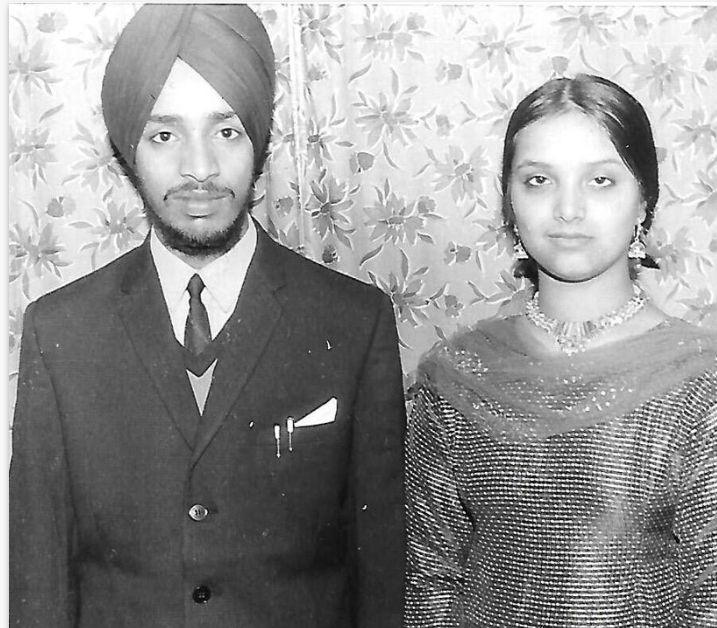
UNBREAKABLE: A True Story of Defiance and Survival
UNBREAKABLE Book One WRONG PLACE, WRONG TIME… A TRUE ACCOUNT OF A YOUNG INDIAN BOY LIVING IN AN ERA OF RACIAL HATRED Jag Singh www.jagsingh.uk


Hello & Salaam.
Born and raised in Northern England to Bangladeshi parents, I grew up at the crossroads of two worlds- the British and Bangladeshi Culture. I was raised in an environment that was rich with British and Bangladeshi culture, tradition, and above all, the Islamic faith. My values have been anchored by my parents who brought me up to believe in myself, keep family and friends a priority and all my actions to be driven by compassion, patience and perseverance. I did not directly witness how they navigate life in a new country as I was one of the last of 5 children. By the time I was a teenager, my parents had lived in the UK for a couple of decades and gained British Citizenship. I definitely developed a deep awareness of the challenges they faced and asked questions about what it was like immigrating from Bangladesh to England.
They faced systemic racism and had to navigate institutions that often misunderstood or dismissed their identities, working harder than their white British counterparts in both employment and parenting. I know now as an adult that this is not a solo experience and many other South Asian families relate to this. My parents made it a point not to showcase their struggles or worries during my childhood.
I know I hold the privilege of being born in Britain, speaking with an English accent- something my parents never had.
As a first-generation British South Asian growing up, I did not feel completely Asian or completely English. I was quite happy being both and living in Manchester post late 1990s in a multicultural harmonious neighbourhood helped. As I reached adulthood and started to meet more and more people, I did experience subtle racism and discrimination. It’s the kind of discrimination that’s hard to detect, nearly impossible to prove, and no matter how I sound or carry myself my appearance continues to carry heavy influence. It became more evident when I started wearing the hijab at the age of 26.

My parents guided me down the academic route and encouraged me to do something I would enjoy. My late father planted the seed that would eventually guide my route. One day, after reflecting on Surah Maryam (A chapter in the Qur’an), he spoke to me about the strength of Maryam (AS) and the spiritual depth of her experience giving birth. I know! A Bangladeshi born father is talking to his teenage daughter about pregnancy and how women are seen in high regard. This was not the ordinary Bangladeshi father-daughter dynamic. I was shocked that Dad wanted to educate me on this. He told me how mothers are high in status in Islam and respect for mothers must always be given. I also learnt at that moment that childbirth was not a scary dramatic life event shown in movies, but something sacred, emotional, and deeply spiritual. It also helped that my mother only spoke of her pregnancies as a blessing. It was that moment that ignited me to explore midwifery. So I did my A Levels, applied and completed my Bachelors of Midwifery.
As I stepped into the profession, I quickly realised how rare it was to see someone like me in these spaces.
I was hyper aware of this very fact and it saddened me that the population being served did not match the workforce. A diverse population surely requires a diverse healthcare workforce? I then moved to London and became a part of a diverse workforce. This fills me with joy and to this very day- I love my work colleagues.

Being a Muslim South Asian midwife isn’t just about representation—it’s about claiming a space in a system that often overlooks the cultural, religious, and emotional needs of women like me. It’s about being able to:
Be someone a South Asian or Muslim woman can trust – not just medically, but spiritually.
My route into midwifery was shaped by those roots, and eventually, it led me into many avenues from specialist midwifery roles, caring for women during home births and hospital births to finally plucking up the courage to launch ‘Muslim Hypnobirthing’.
A business of mine that unites faith and birth for Muslim couples. I provide antenatal preparation and empower Muslim couples to prepare for birth and parenthood with both knowledge and trust in themselves and Allah. This fills me with joy as I am able to support Muslims in one of the most transformative phases of their lives- birth and parenthood.
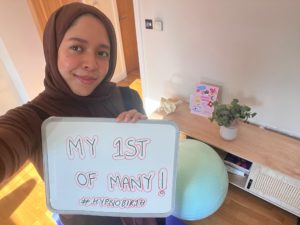
This journey from my father’s words to my career and business reminds me that our roots are never just where we come from; they are what nourishes the path we walk. We do not know where the path will take us.
There is still so much work to be done to make maternity care more inclusive. But with every birth I attend, every mother and father I support, I’m reminded why being a Muslim South Asian midwife matters. I am not just a caregiver- I am a bridge between two cultures, a voice in a system that too often undermines the importance of South Asian parents to be, and a reflection of what’s possible when we honour both our roots and our routes.
From roots planted in faith and family to the route I now walk as a caregiver and advocate, I see each birth as a moment of transformation.
I thank all the families I have served over the last 13 years because I learn everyday from you all, you nurtured me into a strong woman and gave me purpose in life.
I say “Watch me” to the understaffed and under-resourced healthcare system (the NHS) prioritise the dignity, autonomy and rights of Asian and Muslim women and deliver personalised and respectful care to these families.
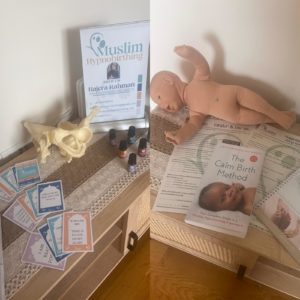
Thank you for reading
Hajera Rahman
Midwife
Owner of Muslim Hypnobirthing
www.muslimhypnobirthing.com | Instagram @muslimhypnobirthing | FB Page: Muslim Mama Support Group UK

UNBREAKABLE Book One WRONG PLACE, WRONG TIME… A TRUE ACCOUNT OF A YOUNG INDIAN BOY LIVING IN AN ERA OF RACIAL HATRED Jag Singh www.jagsingh.uk
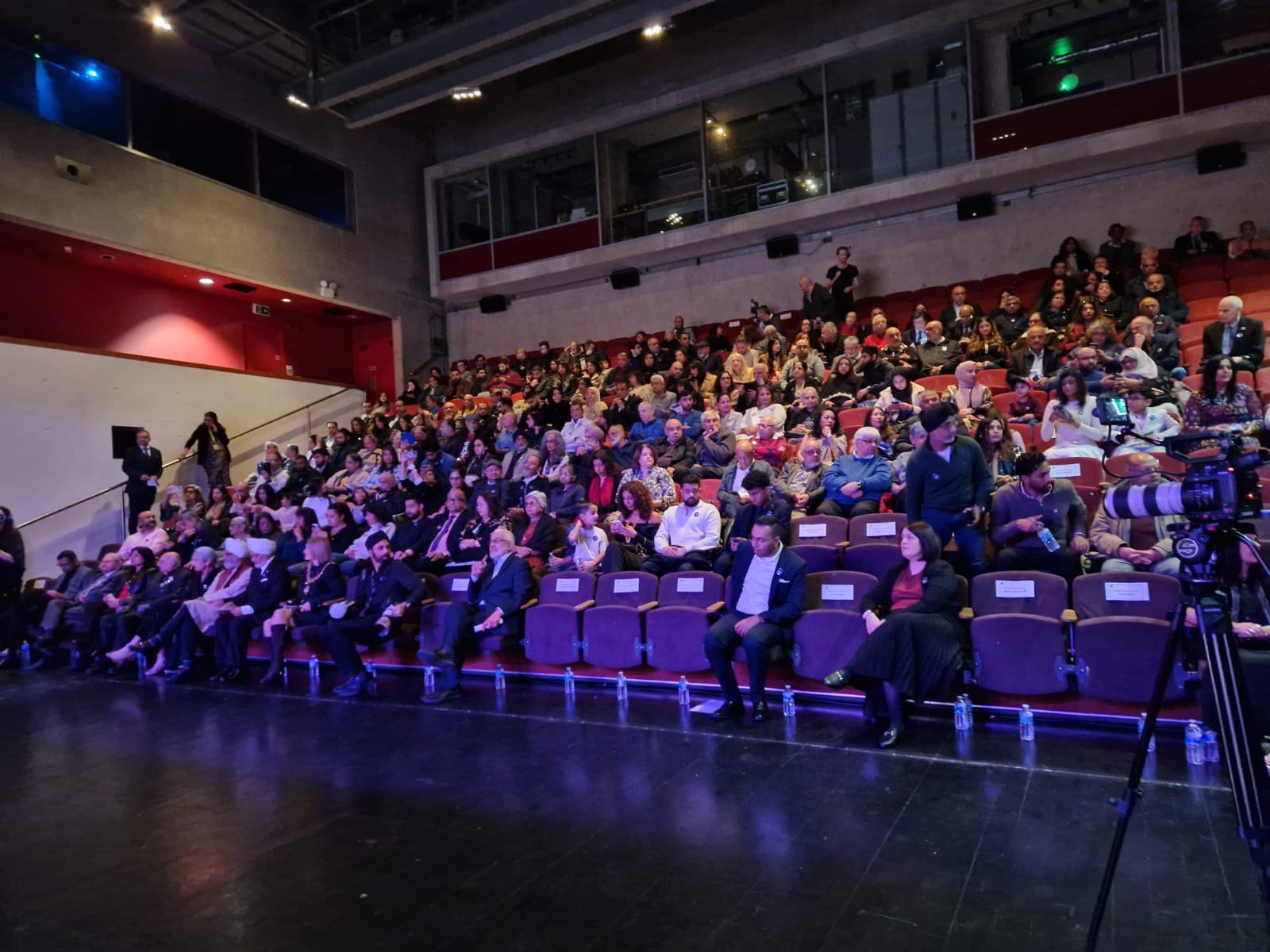
In the heart of the largest community of Indians living outside of India, 312 people at The Peepul Centre, Leicester, and over 1,000 streaming live
A short documentary to tell the stories of two families from Punjab whose family laid roots in the 1950s. The aim of the film is